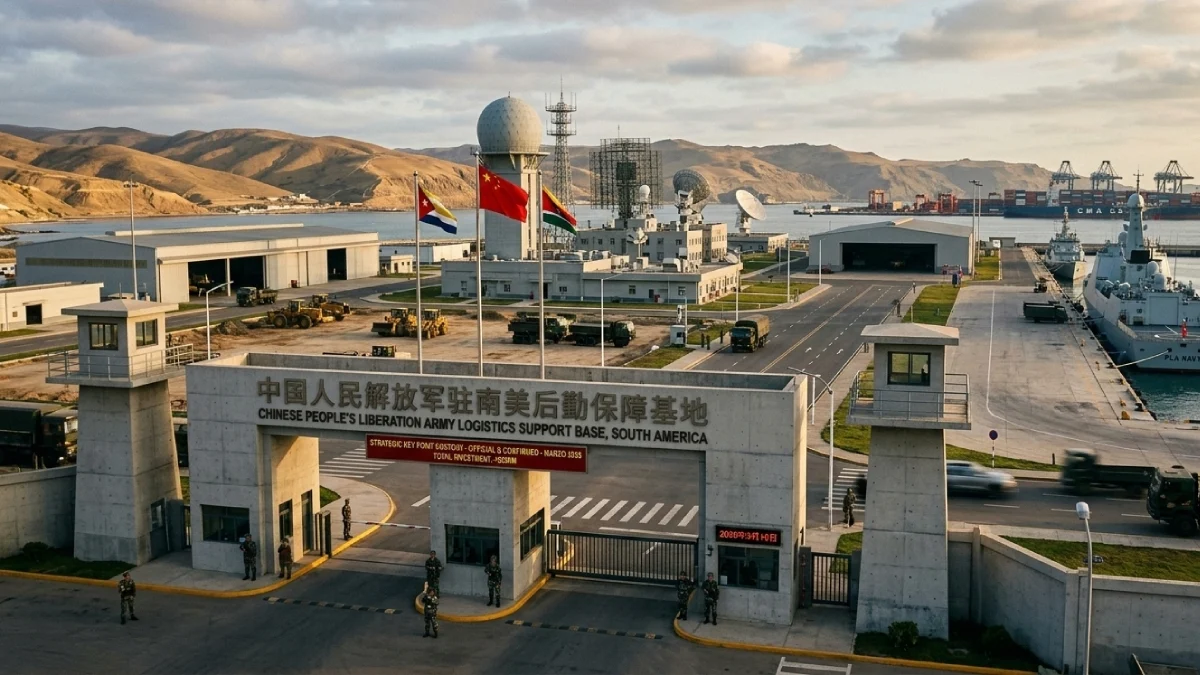
The diplomatic silence surrounding the works in the coastal sector has finally been broken this March 2026. The official confirmation that China guards and operates its own military base after a colossal investment marks the start of a new geopolitical era. What began as a project of “civil port development” under the ambitious Belt and Road Initiative has today revealed itself as a military stronghold with technological capabilities that have astonished Western defense analysts.
This infrastructure not only represents a logistical support hub, but also symbolizes the shift of the balance of power toward the Pacific, with a projection capacity that until recently was considered exclusive to other powers.
An Investment of 500 Million: More Than Concrete and Steel
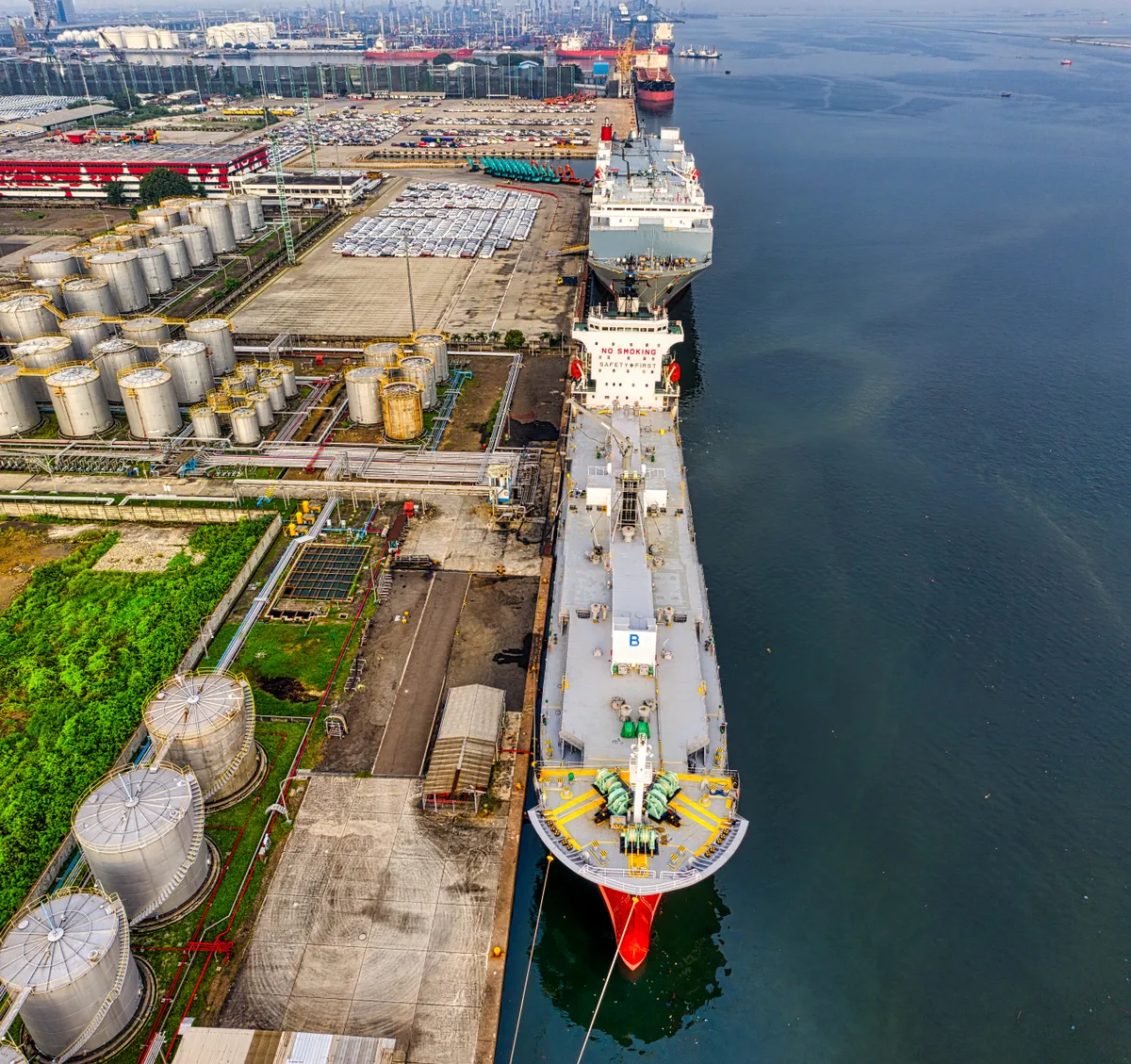
The figure of 500 million dollars is, according to intelligence experts, only the tip of the iceberg of a long-term security agreement. This investment has not been limited to the construction of hangars and conventional barracks. Beijing’s main focus has been the installation of a cutting-edge intelligence infrastructure. The base features radar domes with the capacity to intercept communications thousands of kilometers away in all directions and to track satellites in low Earth orbit.
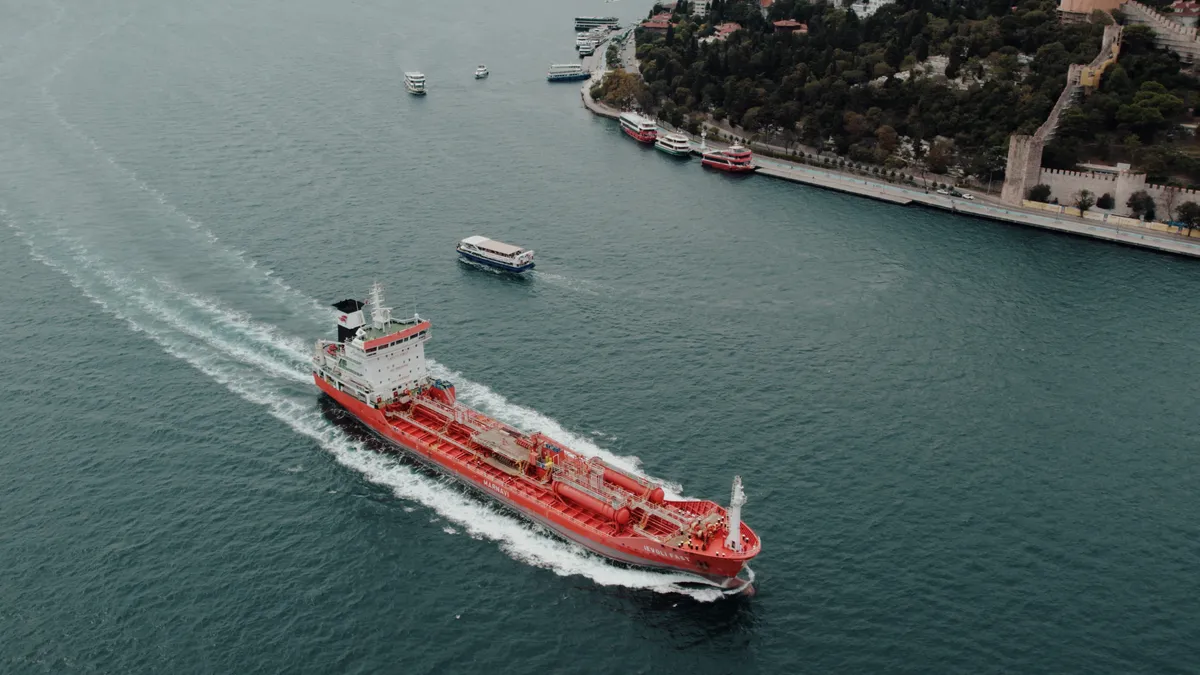
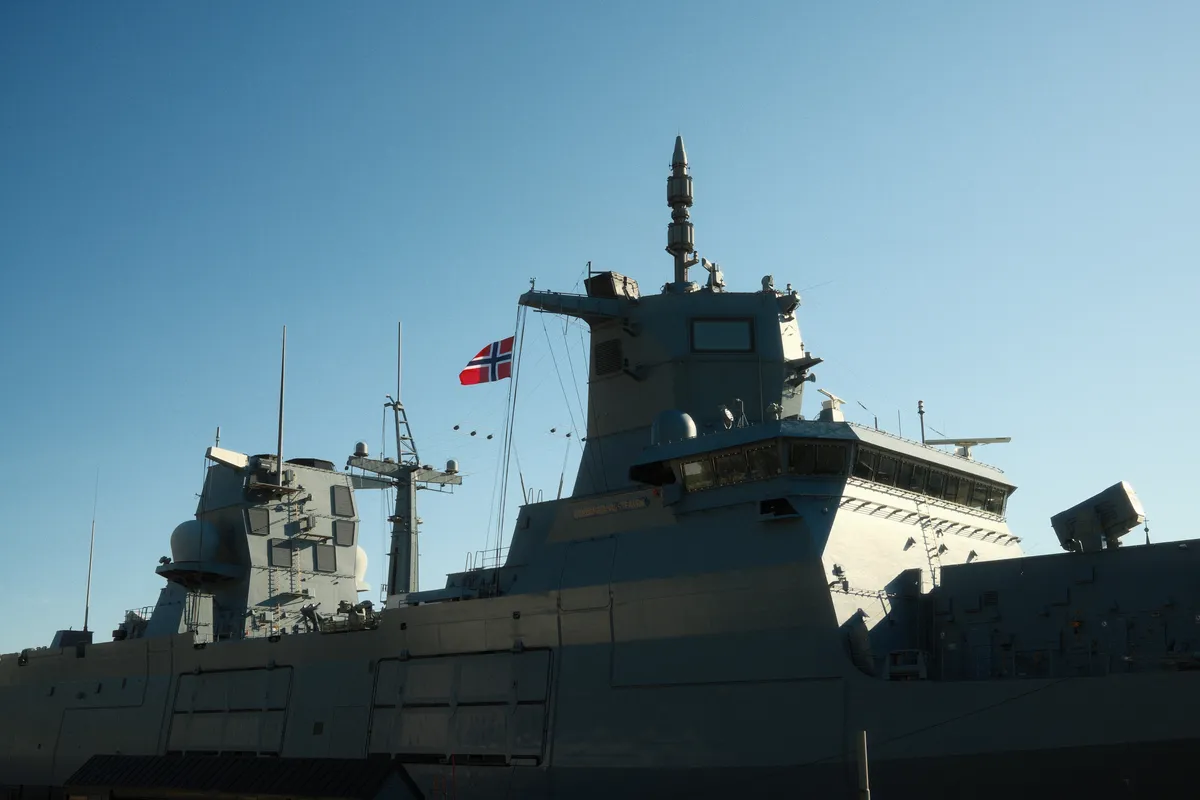
Moreover, the docks have been designed with strictly military specifications: depth sufficient for docking of Renhai-class destroyers and rapid-replenishment systems that allow a battle fleet to remain operational in the area indefinitely. For the Chinese government, this base is the ‘unsinkable aircraft carrier’ it needed to secure its supply routes and project its naval power permanently in this hemisphere.
The Strategy of the ‘Silent Presence’
The success of this operation lies in the meticulous management of the public narrative by China. Beijing avoided any direct confrontation or declaration of intent until the base was fully operational. During the years of construction, the official discourse consistently focused on the ‘economic cooperation and regional development’. This soft-power approach allowed the infrastructure to advance without the international sanctions that would have arisen from declaring a military installation from day one.
The uniforms of the People’s Liberation Army (PLA) are already patrolling the perimeter and the Chinese flag flies alongside the high-frequency communication antennas. The host country, whose economy heavily depends on the Chinese credits and investments, now finds itself in a delicate position: it has gained top-tier transportation infrastructure, but at the cost of ceding a critical portion of its autonomy and strategic sovereignty.
The Impact on the Global Balance of Power
The response from the United States and its allies has been immediate and decisive. From the White House, a deep review of defense agreements in the region has been announced and a significant increase in naval patrols. Officials have described this enclave as a direct challenge to stability, warning that the base could be used for critical signals intelligence espionage and the control of vital sea trade routes through which a large part of world commerce transits.
For neighboring countries, the base poses an existential dilemma. On one hand, China has established itself as their principal trading partner; on the other, the presence of a military base of such magnitude places them on the front line in the event of a large-scale conflict between superpowers. The militarization of this strategic point could trigger a local arms race, with nations seeking to acquire anti-air and anti-ship defense systems to counter Beijing’s newly shown military muscle.
The 2026 Map Has Changed Forever
The establishment of this Chinese military base is not an isolated event, but the symptom of a multipolar world already consolidated. Beijing has demonstrated that it has the political will and the financial capital to establish itself in any corner of the planet it deems vital to its national interests. The question left in the air for the rest of this year is not whether there will be more bases, but where the next stone of the Chinese logistical empire will be laid.
The investment of 500 million dollars has bought much more than cement and technology; it has bought a permanent seat in monitoring of the world’s most important trade routes. The geopolitical board has changed irreversibly, and the Chinese pieces are now placed in an advantageous position that will force the West to rethink its entire security strategy for the coming decade.