D March 8 is one of Russia’s most popular holidays—a day when women are given flowers and gifts. Yet nothing remains of its original militant content.
But when you look at Russia’s 20th-century history, it becomes clear: It was a century of women. For they bore an enormous burden — they kept their families alive, protected their children from hunger and misery. Women preserved the memory of wars, terror and suffering and passed it on to the next generations, because so many men had fallen, shot, or died in the Gulag.
In the context of March 8, it is also a story of unfulfilled hopes — above all the hope for real equality.
The October Revolution initially brought liberation: suffrage, new marriage laws, political participation. Yet poverty, illiteracy, traditional gender roles, and the increasing control by the party meant real equality remained an illusion. The independent women’s movement was destroyed, and many of its representatives were persecuted.
Fully Integrated into the World of Work
Women bore the main burden of daily family life and were at the same time fully integrated into the workforce. As a result of forced collectivization, millions of women were torn from their village lives and pushed into industry — which often meant hard physical labor.
Stalinist terror hit the women hard as well; many became victims of repression. Then came the war, and Russia in the 20th century became a “land of widows” — generations of children grew up without fathers.
After 1991, many women again faced major challenges. The economic crisis hit many families hard. Often it was the women who adapted faster and found new paths. At the same time, new forms of exploitation of women emerged, as did a return to traditional gender roles.
In the Putin era, the authoritarian trend also manifested itself in that nationalist and fundamentalist forces increasingly targeted women. Even before the war against Ukraine began, it became clearer that Russian society was permeated by violence.
Prevalence of Domestic Violence
This violence manifested in various ways: protesters were beaten, dragged by the hair, kicked, and subjected to abuse. One of the most common forms of violence in Russia is domestic violence. However, it was decriminalized, i.e., removed from the penal code.
The imprisoned women are held under harsh conditions; they are often subjected to sexist abuse by security forces and the threat of sexual violence.
We have also seen how this violence manifested in especially brutal ways during Russia’s occupation of Ukrainian cities. Ukrainian women who fell into Russian captivity are kept under extremely harsh conditions
And yet: Even today, it is again women who act with particular courage — women who protest, engage and take risks, despite repression, despite violence, and despite the looming threat of imprisonment. In recent years, the number of female political prisoners has risen sharply.
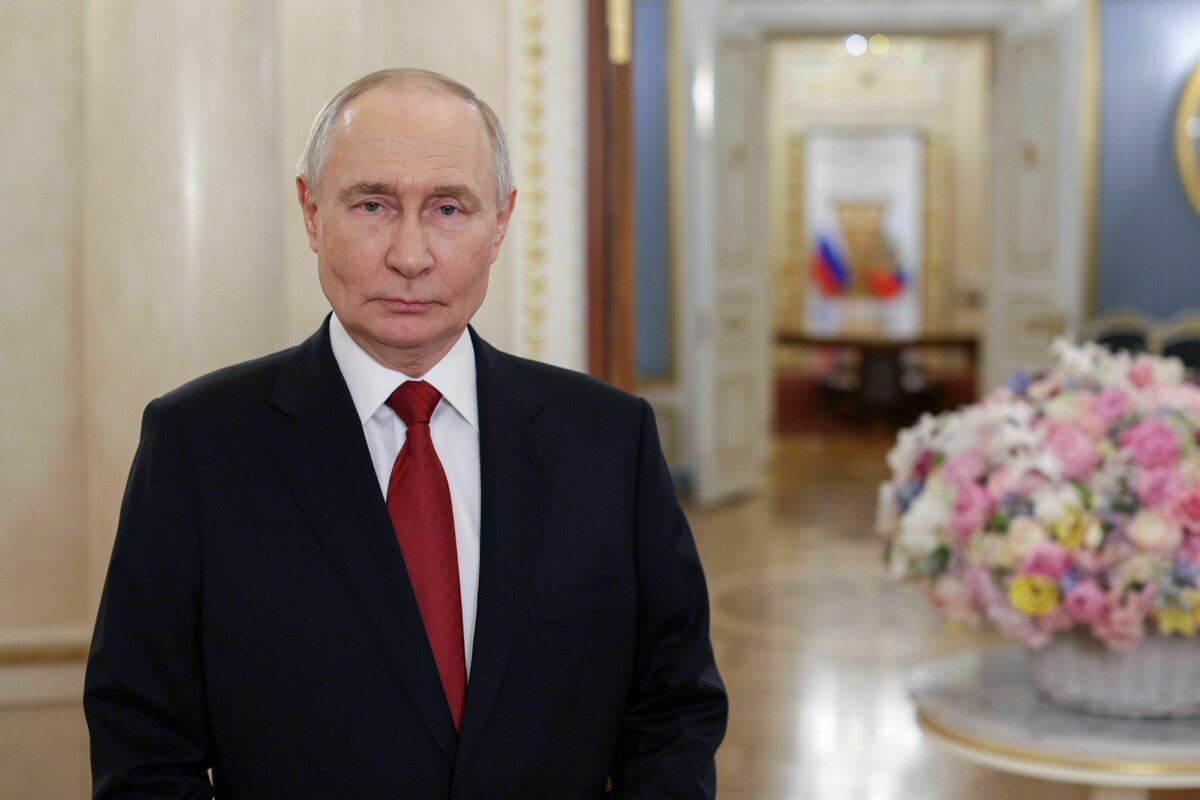
All the more hypocritical do Putin’s words sound in his March 8 speech, where he made routine statements about the role of women and especially praised those women who participate in the so-called military operation.