The Trump Iran deal timeline keeps shifting. Speaking to reporters after the NBA Finals in New York on Monday night, the president insisted an agreement was still only “days” away and would “not in any way allow nuclear weapons.” The conflict, which began on February 28, crossed the 100-day mark Sunday with no deal in place.
| Key Fact | Detail |
|---|---|
| Conflict start | February 28, 2025 |
| Ceasefire in effect | Mid-April 2025 |
| Days elapsed (as of Sunday) | 100+ |
| Brent crude (Tuesday) | $93.02/bbl, down 1.3% |
| WTI crude (Tuesday) | $89.67/bbl, down 1.8% |
| U.S. blockade vessels turned away | 134, with 8 disabled |
How the Ceasefire Frayed
The truce that took effect in mid-April broke down over the weekend before partially stabilizing Monday. Iran fired missiles at northern Israel after accusing Jerusalem of violating the agreement through strikes on Lebanon, including an attack on Beirut’s southern suburbs Sunday. Israel responded with what it called a “large-scale strike on strategic defense systems.” Iran’s military then announced it had stopped firing, though Tehran’s Foreign Ministry told CNBC it would resume hostilities if Israeli forces continue striking Lebanon.
Israeli Prime Minister Benjamin Netanyahu said the war against Iran and its Hezbollah proxy “has not yet ended,” insisting both are weaker than at any point in the conflict. Trump, for his part, had previously said the fighting would last four to six weeks. It did not.
The Trump Iran Deal Timeline and a Downed Apache
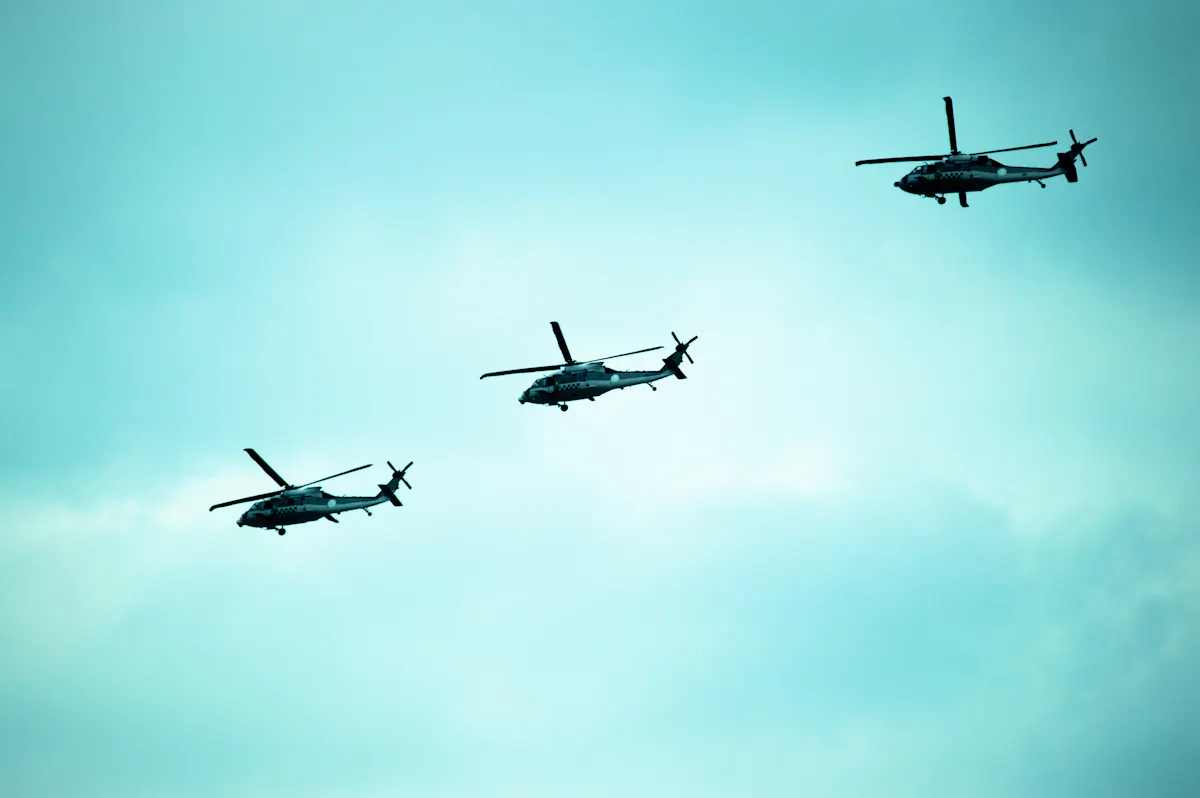
Adding pressure to the Trump Iran deal timeline on Monday, a U.S. Army Apache helicopter went down near the Strait of Hormuz. Trump told reporters the two pilots “are fine” and that there were no injuries, with a full report expected Tuesday. The cause has not been determined.
The Apache would be the first U.S. Army rotary-wing aircraft lost in the conflict, according to i24 News. U.S. Central Command has been pushing Apache helicopters increasingly close to Iranian-controlled islands in the Strait and Persian Gulf throughout the conflict. Prior to Monday, Iran had shot down roughly 30 American Reaper drones, and a handful of U.S. fighter jets had been lost to hostile and friendly fire. Three F-15s were downed by Kuwaiti air defenses in a friendly-fire incident in March, with all six crewmembers ejecting safely.
Blockade Numbers and the Oil Market
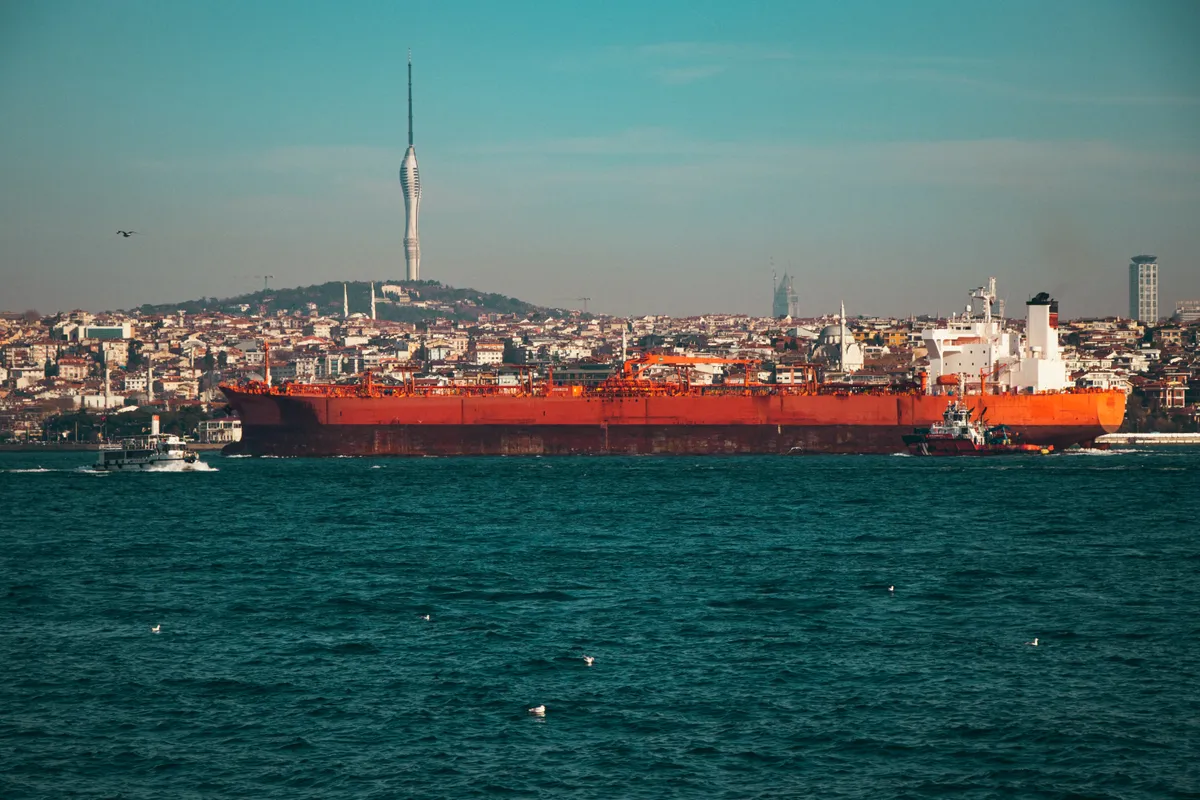
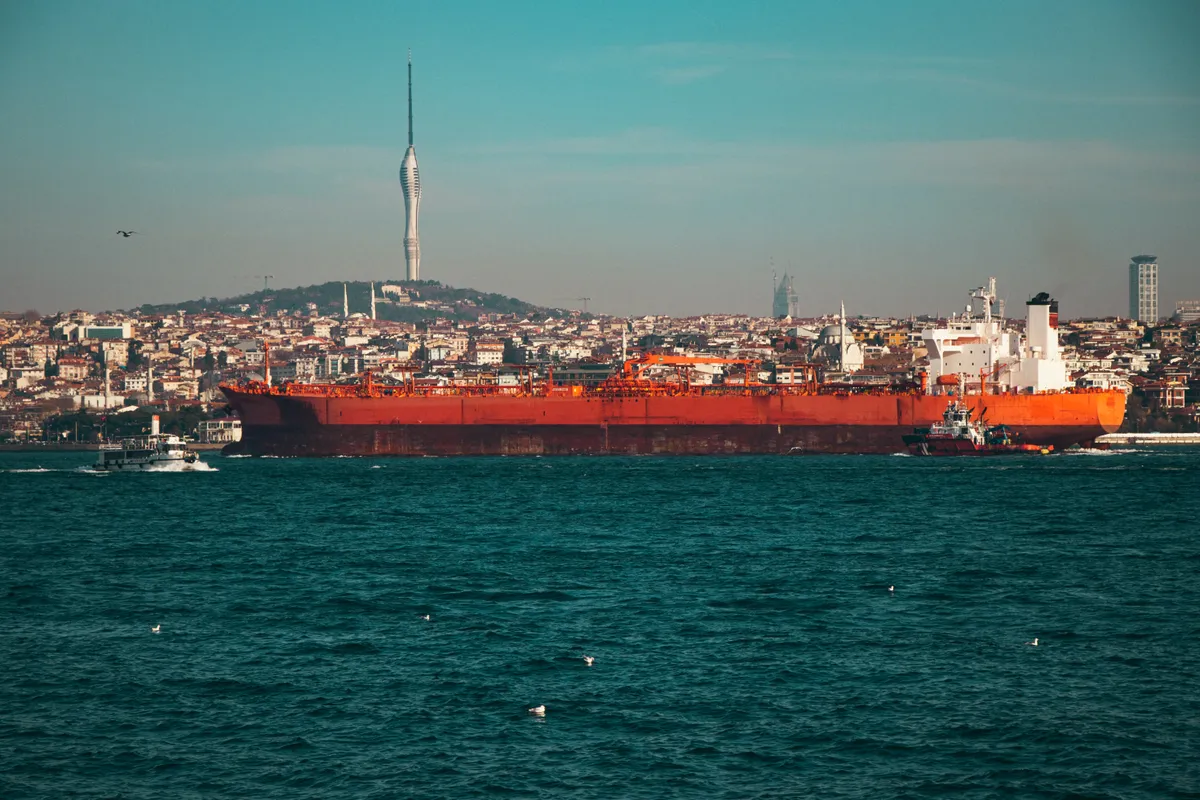
The U.S. has maintained its own blockade on Iranian ports since April 13, imposed after Iran effectively closed the Strait of Hormuz. CENTCOM forces have turned away 134 vessels and disabled eight since the blockade began, including a Palau-flagged oil tanker in the Gulf of Oman on Monday that ignored repeated warnings to turn back. Trump said Monday the blockade will not be lifted “until a ‘Final Deal’ is reached.”
The strategic weight behind that leverage is considerable. The Strait of Hormuz carries between 18 million and 19 million barrels per day of crude oil and fuel, roughly a fifth of global consumption. Oil eased Tuesday once the immediate confrontation appeared to de-escalate: Brent crude fell 1.3% to $93.02 a barrel, while West Texas Intermediate dropped 1.8% to $89.67.
Nuclear Assessment Complicates the Trump Iran Deal Timeline
The Trump Iran deal timeline faces a structural problem beyond the shooting. A preliminary U.S. intelligence assessment found that American airstrikes did not destroy Iran’s nuclear capability and only set it back by a few months. That narrows the window for any agreement to produce durable results and raises the pressure on whatever terms negotiators are approaching.
Trump posted to Truth Social before the ceasefire partially held Monday that talks were “proceeding, subject to ignorance or stupidity getting in its way.” The framing suggests the president believes a deal is close. The 100-day clock and the intelligence assessment tell a different story about what “close” actually delivers.
The Trump Iran deal timeline now hinges on one visible trigger: whether Iran resumes missile launches against Israel if Israeli strikes on Lebanon continue. Tehran’s foreign ministry made the condition explicit. If that threshold is crossed again, oil markets, the blockade calculus, and the deal talks all reset at once.