Iran strikes oil prices higher Thursday, with Brent and WTI both gaining as fresh U.S. military attacks on Iranian targets and Tehran’s retaliatory volleys across the Gulf raised the specter of a Strait of Hormuz shutdown. The gains were modest, but the underlying threat was not.
| Contract | Price | Change |
|---|---|---|
| WTI Crude (July) | $90.82/bbl | +0.88% |
| Brent Crude (August) | $93.70/bbl | +0.66% |
| Strait of Hormuz daily flow | ~20M bbl/day | ~20% of global supply |
| Kuwait airport attack | June 3, 2026 | 1 killed, terminal damaged |
| Eurasia Group $100 threshold | Triggered by | Sustained Hormuz disruption |
U.S. Central Command said American forces began launching additional strikes at 5:15 p.m. ET, targeting surveillance, communications and air defense assets it described as threats to U.S. forces and commercial shipping. The operation, the military said, came “in response to Iran’s unwarranted and continued aggression.”
Iran hit back hard. DW’s live coverage reported that Tehran launched missile and drone attacks toward U.S. vessels in the Strait of Hormuz, and U.S. Central Command said it intercepted multiple Iranian ballistic missiles and drones aimed at Gulf countries and the strait itself. Iranian state media said Tehran struck U.S. military facilities in Kuwait and Bahrain, including Ali Salem, Ahmad al-Jaber and Sheikh Issa air bases. Bahraini authorities said their air defenses destroyed the incoming threats.
Iran Strikes Oil Prices: The Hormuz Factor
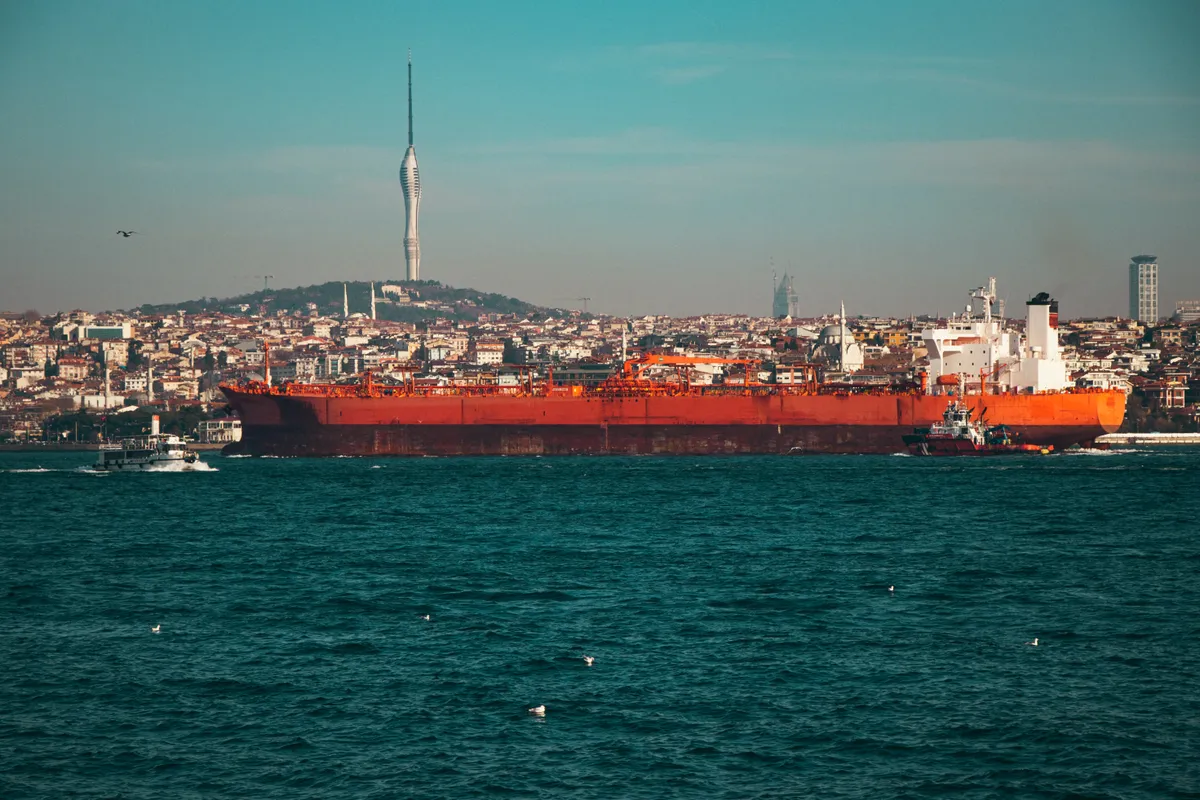
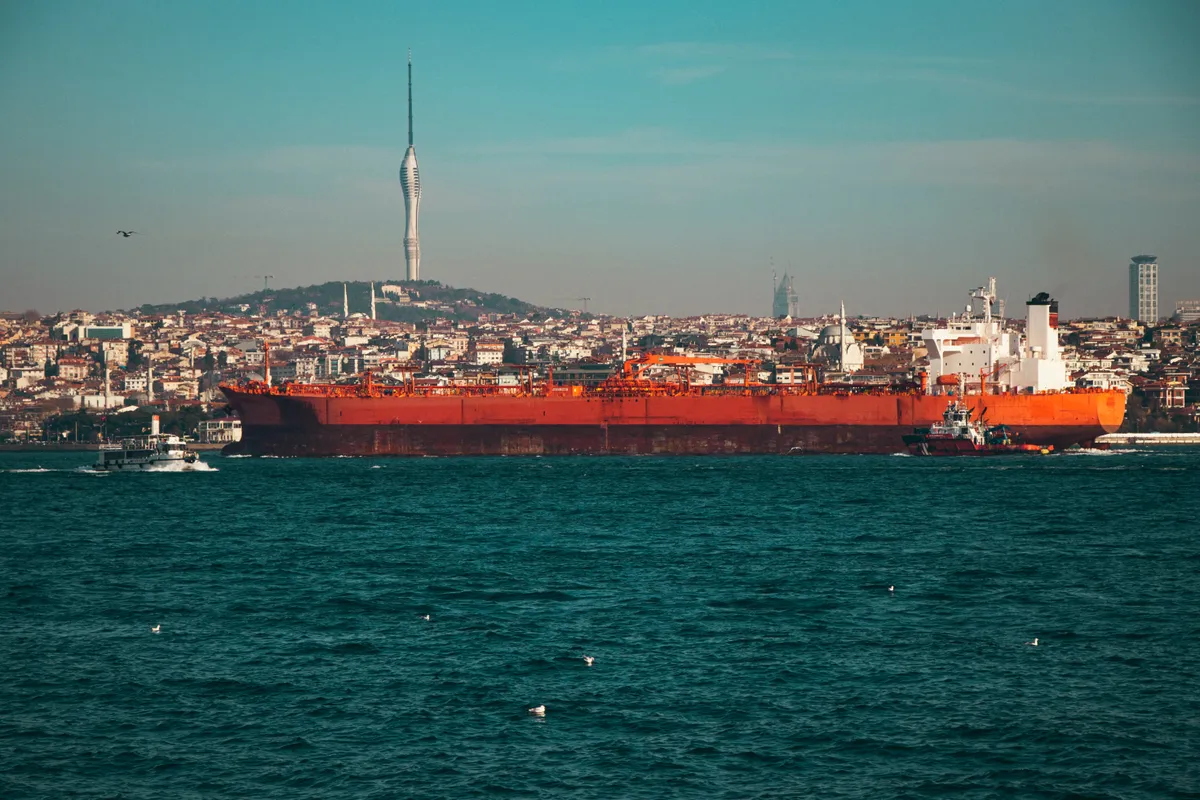
The escalation has brought the Strait of Hormuz back to the center of the oil market calculus. Roughly 20 million barrels of oil and liquefied natural gas transit the strait daily, about 20% of global supply. Eurasia Group has warned that a prolonged disruption could push crude quickly to $100 per barrel, especially if attacks hit regional oil facilities directly.
Secretary of State Marco Rubio has been blunt about U.S. intentions. “The straits have to be open,” Rubio said, “they’re going to be open one way or the other.” That posture signals Washington views any Hormuz closure as a red line requiring direct military response, which raises the stakes for every incremental escalation.
Kuwait has been absorbing the brunt of Iranian fire. Iranian drones struck Kuwait International Airport on June 3, heavily damaging a passenger terminal, killing one person and wounding dozens. Kuwait’s Defense Ministry said it destroyed more than a dozen Iranian missiles and a similar number of drones during that attack. Iran’s Revolutionary Guard denied responsibility, claiming the terminal was hit by a U.S.-made interceptor missile. The U.S. military said two Iranian missiles broke apart en route and that it downed multiple drones targeting American forces in Kuwait.
Oil Market Absorbs the Blow, for Now
The muted price reaction Thursday reflects a market that has been stress-testing this scenario for weeks. Rystad Energy’s Jorge Leon, the firm’s senior VP and head of geopolitical analysis, warned as far back as early May that demand destruction had already begun in the global oil market because of the conflict. Thursday, his firm argued that record U.S. crude exports, softer Chinese demand and alternative shipping routes have made the market better-positioned to absorb disruptions than in past crises.
Still, Leon drew a sharp line: the odds of a near-term diplomatic breakthrough have diminished. That leaves Iran strikes oil prices vulnerable to sharp swings depending on whether hostilities stay contained or drag into a prolonged exchange.
Israel is watching closely. Israeli Prime Minister Benjamin Netanyahu said publicly in late May that “Iran will never have a nuclear weapon” and confirmed he and President Trump are coordinating, agreeing any final agreement “must eliminate the nuclear danger.” That framing ties any diplomatic off-ramp directly to Iran’s nuclear program, narrowing the deal space considerably.
The conflict’s reach is widening beyond the energy complex. The UN’s World Food Program said on June 6 that high oil prices and a short supply of fertilizer driven by the conflict are pushing millions of people into hunger globally. Iran strikes oil prices at the pump, but the knock-on effects run deeper through food supply chains.
Watch the $100 level on Brent. If Iranian attacks shift from military installations to production or export infrastructure anywhere in the Gulf, that threshold comes into view fast, and Rystad’s contained-conflict assumption unravels with it.