The Iran Hormuz deal date became a live point of contention Saturday as President Donald Trump declared the agreement would be signed Sunday, only for Iranian state media to say no signing was imminent and Tehran needed more time. The gap between Washington’s public confidence and Tehran’s stated caution is now the central obstacle to closing what would be one of the most consequential diplomatic agreements in a generation.
| Item | Detail |
|---|---|
| Deal name | Islamabad Memorandum (expected public branding: Islamabad Pact) |
| Trump’s claimed signing date | Sunday, June 15, 2026 |
| Iran’s position | Signing will not happen Sunday; timing unclear |
| Key deliverable (U.S.) | Strait of Hormuz reopens immediately on signing |
| Nuclear terms | Iran keeps civilian program; weapons program dismantled with inspections |
| Mediator | Pakistan (PM Sharif brokering) |
Trump posted on Truth Social that “the Deal is scheduled to get signed tomorrow, and immediately after it is signed, the Hormuz Strait is OPEN TO ALL.” He also said the U.S. would eventually retrieve what he called “Nuclear Dust” from underground sites, though he gave no timeline. The White House did not respond to a request for clarification.
Iran’s Foreign Ministry spokesperson Esmaeil Baghaei was quoted by state media as saying the signing of the memorandum of understanding “will not be tomorrow.” The statement added that “the possibility of this happening in the coming days cannot be ruled out” but cited “hesitation of the other side” as a reason for caution.
What the Islamabad Memorandum Actually Covers
The document being negotiated is formally called the Islamabad Memorandum, according to Pakistan’s defence minister, with plans to present it publicly as the Islamabad Pact. Pakistan’s role as mediator has been central throughout. Prime Minister Shehbaz Sharif announced Friday that the U.S. and Iran had agreed on a “final, agreed upon text,” with Pakistan working both sides on next steps.
A senior U.S. administration official told reporters the agreement “accomplishes the core objectives” Trump set for the mission: reopening the strait and dismantling Iran’s nuclear weapons program, with international inspections to verify compliance. Critically, the deal would allow Iran to keep a civilian nuclear energy program, according to a senior American official. That carve-out likely matters for Iranian domestic politics, where nuclear sovereignty is a sensitive line.
On Saturday, Sharif said finalization was expected within 24 hours, with technical-level talks to follow next week. That timeline now looks optimistic, at least on Sunday’s signing.
Iran Hormuz Deal Date Dispute Sharpens After Leaked Terms Row
The public disagreement over the Iran Hormuz deal date is not the only friction. Trump posted separately on Truth Social that terms Iran had leaked to the media “have NOTHING to do with the terms that were agreed to, in writing,” and called Iranian officials “very dishonorable people to deal with.” That escalation in tone came on the same day Trump was expressing confidence the deal would close Sunday.
The backdrop is three days of direct U.S.-Iran-Israel military exchanges earlier in the week, which had pushed the region toward the edge of full-scale war. Israel is not a party to the negotiations and its leaders have said they do not intend to withdraw from Lebanon, leaving a major unresolved variable in any broader regional settlement.
Trump ended his Saturday post with a veiled warning: “If it doesn’t work out, we have the ultimate alternative, hopefully never to be used again.” The phrase echoed similar language used during the military strikes earlier in the week.
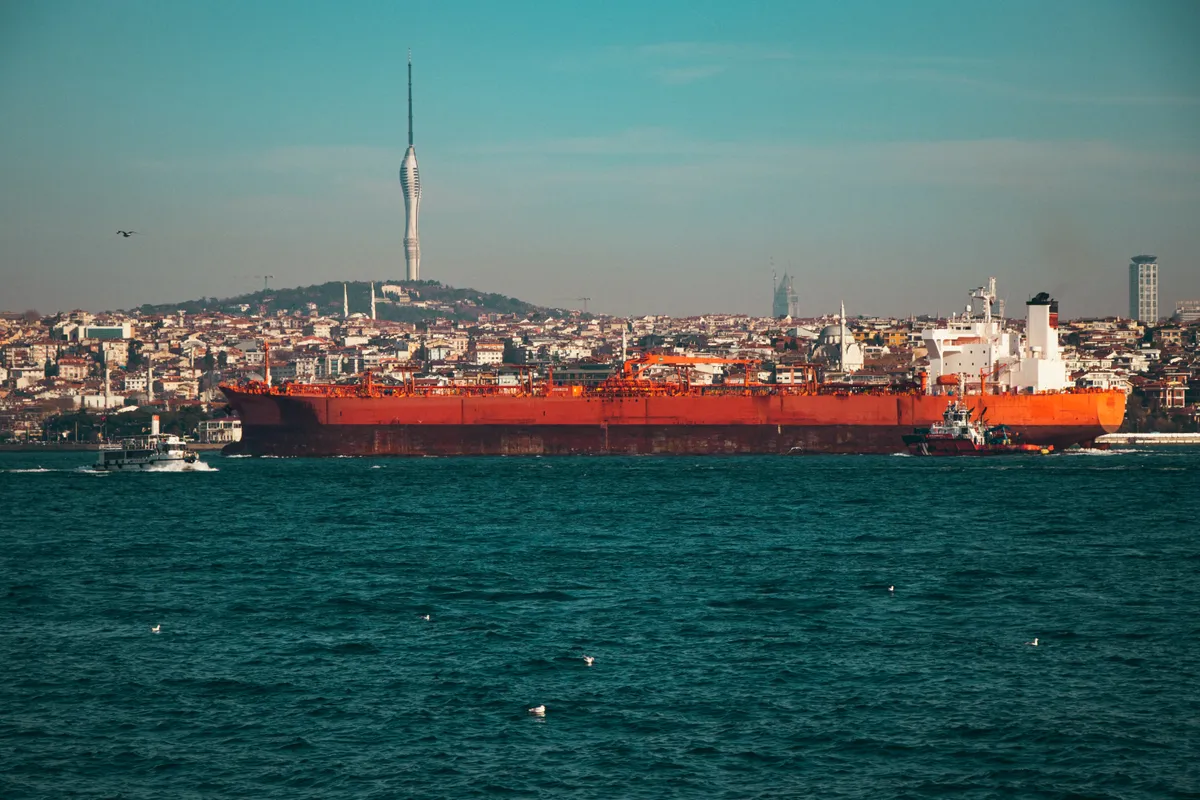
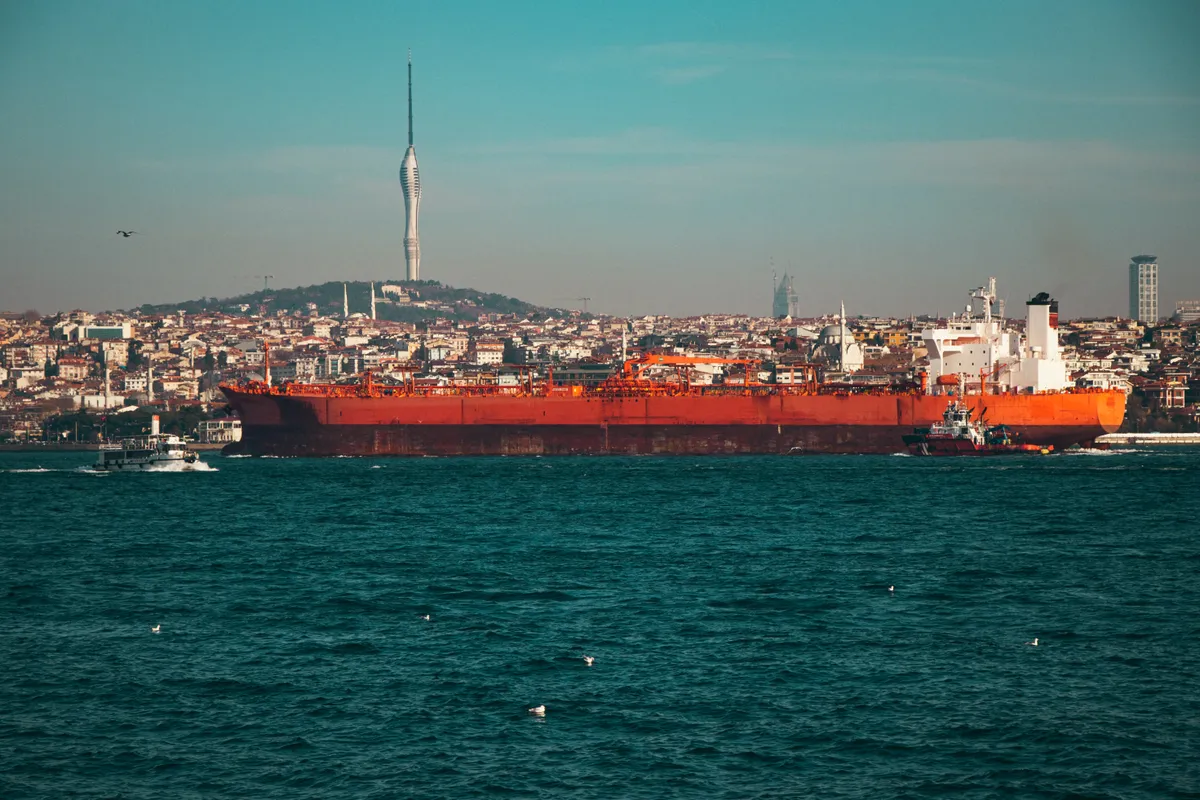
The Iran Hormuz deal date remains unresolved heading into Sunday. Any further delay would test oil markets already watching the strait closely. Roughly 20% of global seaborne oil transits the Hormuz chokepoint. A confirmed signing and reopening would likely unwind a portion of the geopolitical risk premium that has built into crude prices during the conflict. No signing would keep that premium in place, and possibly extend it.
Watch for whether Tehran issues any formal statement Sunday morning, or whether Sharif’s office updates the timeline. Either move would signal which way this breaks.