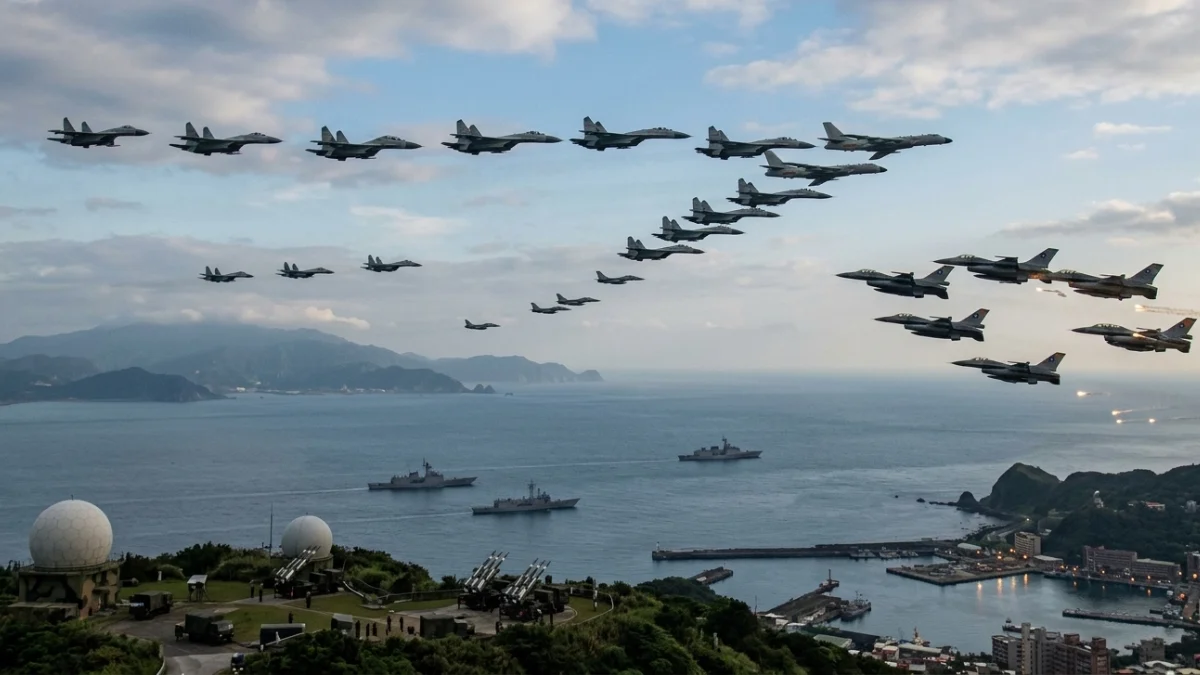
Geopolitics in the Indo-Pacific has returned to its natural state of maximum tension. After a brief pause that many analysts labeled as “mysterious,” the Taiwanese Ministry of Defense has confirmed what everyone feared: Beijing’s war machine has returned to full capacity. A large-scale incursion that not only breaks the peace of recent weeks but also redefines the aggressiveness of Chinese patrols at a time of great international uncertainty.
The inactivity of the first two weeks of March was an illusion. For fourteen days, Taiwanese radars barely registered movements, an unusual phenomenon given that since 2024 daily incursions had become the norm. Experts suggest that this “tactical silence” was linked to the celebration of the National People’s Congress in China. Beijing, always meticulous with its public image during its major political events, would have decided to lower the military tone to project an image of control and stability toward its own population and toward international markets. However, as soon as the red carpets were rolled out in the Great Hall of the People, the engines of J-16 and Su-30 fighters roared again at the Fujian coastal bases.
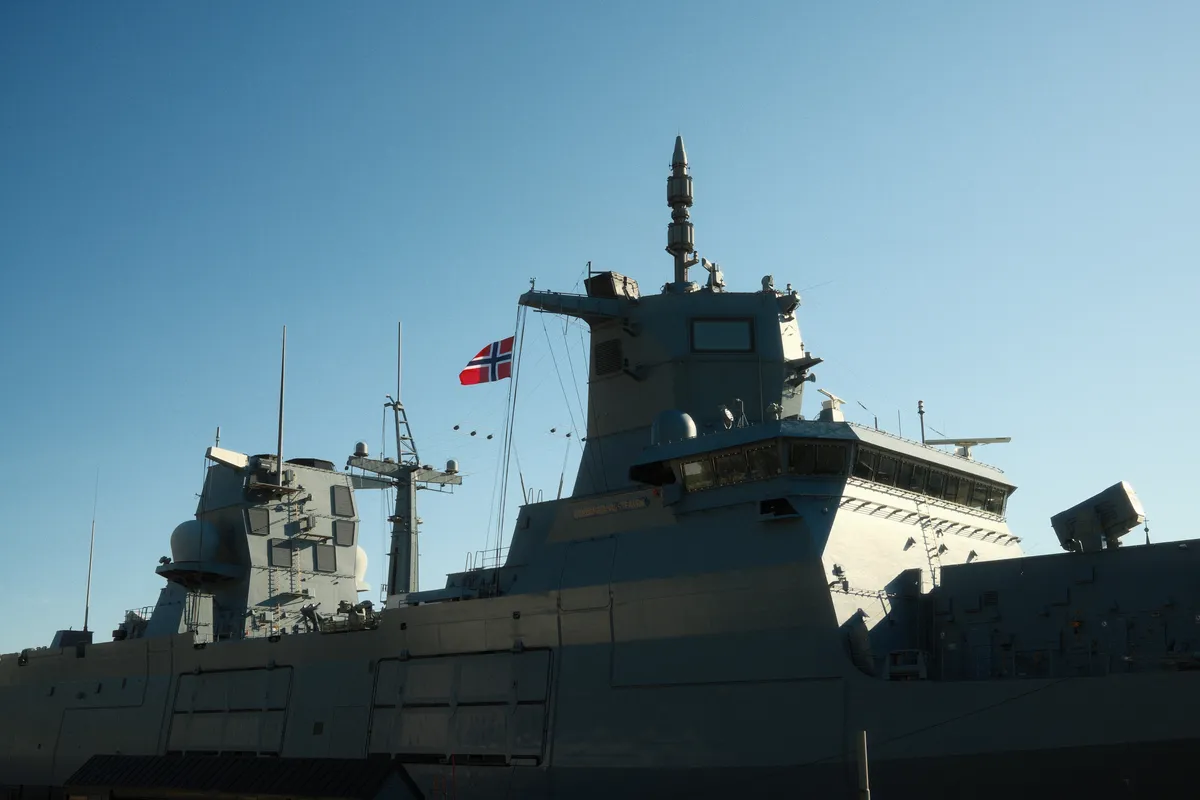
The deployment last Saturday, March 14, was massive and coordinated. Of the 26 aircraft detected, 16 not only approached but penetrated deeply into the northern and southwestern sectors of Taiwan’s ADIZ. This tactic of surrounding the island from multiple points aims to saturate Taipei’s air defense systems, forcing the command center to make quick decisions about where to deploy its limited interception resources. Accompanying the aircraft, seven warships conducted containment maneuvers, simulating a blockade that is the great fear of Western strategists: China’s ability to isolate the island from the world without firing a single missile.
The international context of 2026 adds an extra layer of danger. With a United States administration that has hardened its rhetoric against Chinese ambitions, every flight over the Strait reads like a paragraph in a deafening conversation between superpowers. Beijing is “staking its ground,” showing that no matter who occupies the White House, its roadmap toward what they call reunification remains intact. The resumption of flights is a reminder that China has the capacity to turn tension on and off at will, using its military power as a diplomatic thermostat.
For Taiwan, the challenge is both physical and psychological. Each incursion forces Taiwanese pilots to take off on surveillance missions, accumulating flight hours and stress in aircraft crews that already suffer from constant maintenance. It is the perfect “war of attrition”: without direct combat, China is eroding its neighbor’s operational capacity. Moreover, the civilian population is beginning to suffer an “alert fatigue,” where news of Chinese fighters near its coasts becomes so routine that they risk being ignored, just as a miscalculation could escalate into a real conflict.
In the Taiwan Strait, the absence of news is not necessarily good news. The truce was only a technical respite. While China continues to perfect its saturation maneuvers and Washington keeps its finger on the trigger, the world watches how one of the planet’s most important trade routes remains the stage of a military poker game where stakes rise with every takeoff. This week’s lesson is clear: the dragon was not asleep, it was simply waiting for the glare of domestic politics to fade to reclaim its presence in the sky.