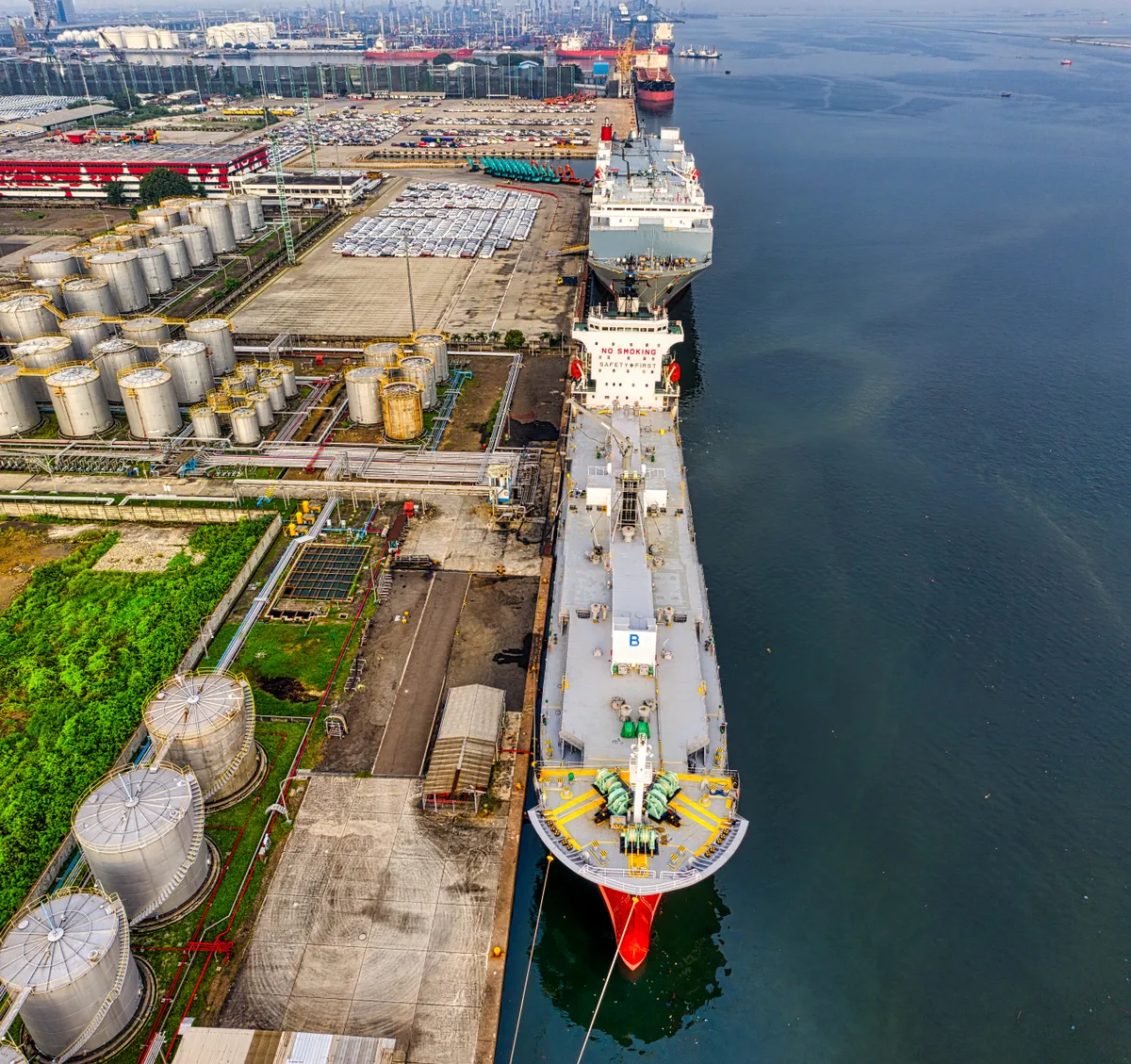
Circuit board resin prices are climbing fast, and by autumn consumers buying smartphones, laptops, and AI-linked devices may start absorbing the shock at the register. The trigger is the Jubail petrochemical and industrial complex in Saudi Arabia, struck by Iranian missiles on April 6 and 7, which has knocked out what supply chain experts describe as roughly 70 percent of global supply of high-purity polyphenylene ether resin, a material with no ready substitute in premium electronics.
| Metric | Detail |
|---|---|
| Jubail resin supply share | ~70% of global high-purity PPE resin |
| PCB price increase (March to April) | Up to 40% |
| Epoxy-resin lead times | Expanded from 3 weeks to 15 weeks |
| Dow restart guidance | 275 days-plus for Hormuz logistics normalization |
| BLS processed goods inflation (April, annual) | 9.4%, with plastic resins among contributors |
| TTM Technologies price increases | 5% to 25% passed to customers |
The plants had already shut down at the end of March as transit through the Strait of Hormuz became untenable. The missile strikes then added physical damage on top of the logistics blockage. Bureau of Labor Statistics data for April confirmed plastic resins and materials were among contributors driving a 9.4 percent annual increase in processed goods prices, the steepest rise in over three years, with the monthly index for processed goods ticking up 0.2 percent after edging down 0.1 percent in March.
What Circuit Board Resin Prices Mean for Consumers
Circuit board resin prices are not a line item anyone sees on a receipt. The cost moves invisibly: tighter launch inventory, fewer promotions, nudges toward pricier storage configurations. Mark Vena, CEO of SmartTech Research, put it plainly: consumers will not hear “PPE resin shortage” at the Apple Store, but they will feel it in prices and lead times.
The squeeze arrives at different speeds depending on where a product sits in the market. Flagship phones like the iPhone 17 and Samsung Galaxy S26 carry enough inventory buffer and long-term supplier agreements to hold sticker prices steady for now. Lower-margin categories, including PCs, gaming hardware, routers, and midrange Android phones, have less room to absorb a 40 percent PCB shock before passing it on.
Usha Haley, a supply chain expert at Wichita State University, said production at Jubail has come to a standstill and no alternative supplier exists to fill the gap. Lead times for epoxy-resin inputs have already stretched from three weeks to fifteen. Sridhar Tayur, a Carnegie Mellon operations management professor, said data centers, routers, and high-end 5G infrastructure face the sharpest exposure because that is exactly where the specific grade of resin matters most.
Dow and TTM Face the Pressure Firsthand
Dow, which holds a joint venture with Saudi Aramco at Jubail, reported Q1 2025 net sales of $10.4 billion, down 3 percent year-over-year, with EBITDA of $944 million already squeezed by margin compression. The company has since cut its 2025 capital expenditure plan to $2.5 billion from an original $3.5 billion as part of a broader effort to right-size capacity. CEO Jim Fitterling said on the April 23 earnings call that Dow continues to guide to a 275-day-plus process for the Strait of Hormuz logistics situation to normalize, with physical repairs at Jubail expected to track within that window.
TTM Technologies, one of the largest U.S.-based printed circuit board makers, reported Q3 2025 net sales of $752.7 million, up sharply from $616.5 million in the same period a year earlier, with net income jumping to $53.1 million from $14.3 million. The company has told customers it is raising prices by between 5 percent and 25 percent. For Q1 2026, TTM guided net sales of $770 million to $810 million, a range that implies continued demand but also embeds the expectation of higher input costs flowing through.
TTM also recently secured a new $1.0 billion senior secured revolving credit facility alongside a repriced and upsized $400 million Term Loan B maturing in May 2030, giving it financial flexibility heading into what could be a turbulent sourcing environment. Liquidity headroom matters when input costs spike suddenly and customers want pricing locked in.
No Quick Fix for the Resin Gap
Circuit board resin prices will not stabilize until supply does, and substitution is not a near-term answer. High-purity PPE resin delivers electrical, thermal, and reliability characteristics that alternative materials cannot replicate without full requalification, redesign, and testing cycles measured in months, not weeks. Engineers can shift some lower-frequency applications to PTFE or epoxy-based laminates, but premium smartphones, RF components, and AI server boards do not have that flexibility.
The U.S. currently makes about 4 percent of global PCBs, down from 30 percent in 2000, and domestic resin production capacity cannot fill a 70 percent supply gap in any relevant timeframe. Tayur noted that by the time leaders pay attention to this kind of structural gap, the crisis is already in motion. Inventory drawdowns will buy some time. Then, if Jubail stays offline past the summer, the pricing moves Vena and Haley are flagging will stop being projections.
The autumn consumer electronics launch cycle, already complicated by tariffs and memory price increases, now runs directly into a resin constraint that no purchase order can fix quickly. If the 275-day Hormuz timeline holds, the math puts normalization sometime in early 2026. That leaves at least two major holiday shopping seasons caught in the middle.