The Epic Fury Operation, launched jointly by the United States and Israel against Iran, has marked a point of no return on the global geopolitical board after the death of the supreme leader, the ayatollah Ali Khamenei. This massive preventive strike, which Donald Trump has defended as a necessary combat mission for global security, has triggered an immediate response from Tehran in the form of bombardments on American bases and targets in neighboring countries. The war escalation has put world chancellies on high alert, while the price of oil spikes at the fear of a total closure of the Strait of Hormuz.
The world watches with vertigo as a unilateral military action breaks decades of fragile balance in the Middle East.
The disappearance of the central figure of the Iranian regime opens a period of absolute uncertainty that threatens to turn the region into an uncontrollable powder keg with unpredictable economic and humanitarian consequences.
The End of an Era Under the Fire of the F-35s
The precision of the attack against the key facilities in Tehran has left the ayatollahs’ regime headless in just a few hours of air offensive. According to Pentagon sources, the death of Ali Khamenei occurred during the first wave of bombardments, a swift blow that seeks to force an immediate regime change in the Islamic Republic. The magnitude of destruction at Iranian command centers suggests a level of infiltration and technological coordination that has left the Persian air defenses without initial capacity to react.
This operation has not only eliminated the supreme leader, but has decimated the leadership of the Revolutionary Guards in what Washington calls a ‘cleansing of tyrants.’ However, the internal Iranian resistance has already begun to organize, promising revenge that could extend far beyond the borders of the Middle East. The power vacuum in Tehran is now the most dangerous scenario for global stability, with different military factions fighting for control of missile silos.
Tehran’s Response: Missiles Over the Gulf
Iran did not delay in fulfilling its promise of retaliation, launching hundreds of drones and ballistic missiles at American bases in Saudi Arabia, the United Arab Emirates, and Qatar. This direct-attack escalation has forced international airlines to suspend their routes and has caused the first recognized casualties among American troops deployed in the region. The exchange of fire is no longer a diplomatic shadow, but an open war that threatens to drag regional powers into a war of attrition.
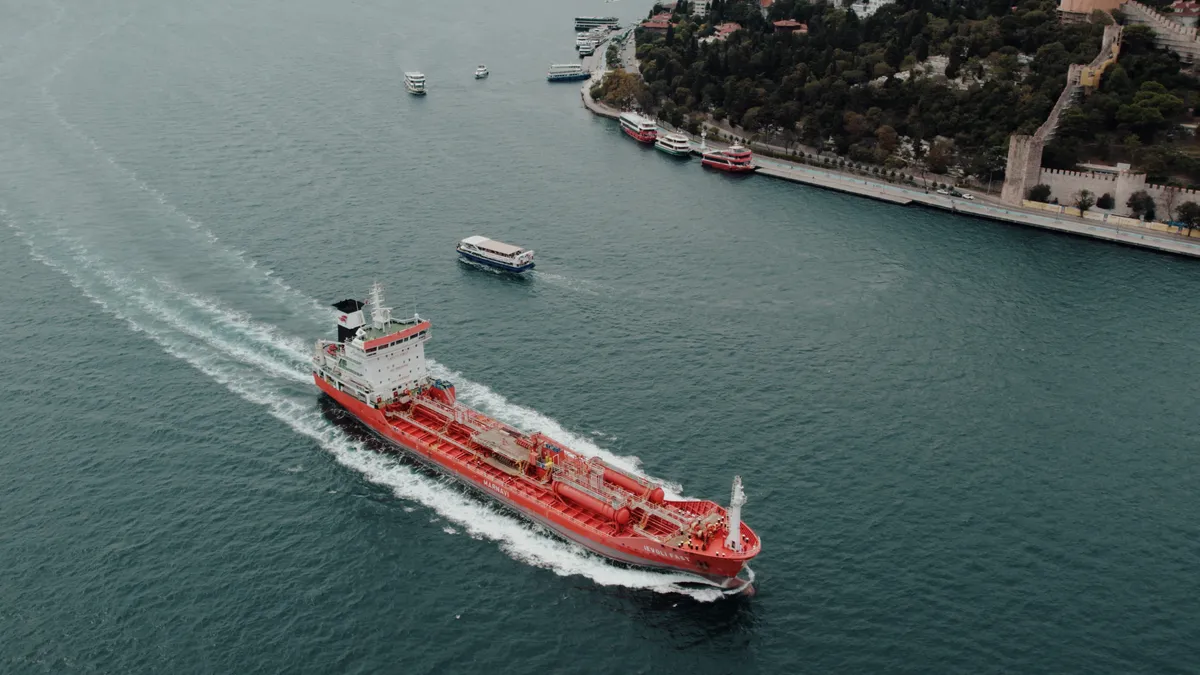
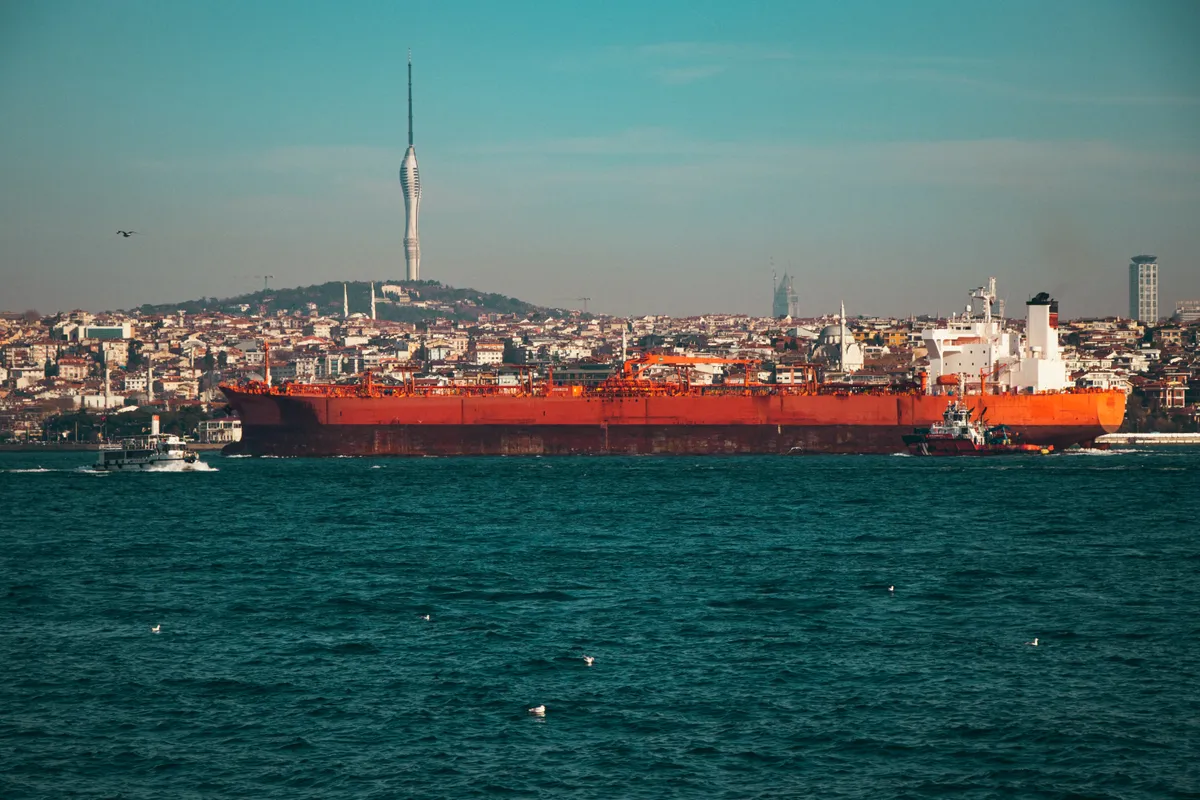
The Strait of Hormuz, the planet’s energy jugular, has become the main tactical battlefield where shipping lines have already ordered the diversion of their vessels. The possibility that the global crude supply could be permanently interrupted has triggered panic in international financial markets, which record historic declines in the stock exchanges of Asia and Europe. The world discovers, once again, that the stability of its economy depends on a narrow strip of sea under crossfire.
Europe Splits Over the “Trump Path”
The European Union’s reaction to the offensive led by Trump and Netanyahu has revealed a deep division among Western powers. While France, Germany, and the United Kingdom are willing to cooperate to destroy Iran’s military capacity, Spain leads the hardest line demanding an end to unilateral actions. The Spanish government considers that this intervention breaches international law and the United Nations Charter, opening a diplomatic rift with its traditional NATO allies.
This lack of European consensus weakens Brussels’ mediation capacity, which watches impotently as diplomacy has been replaced by strategic bombers. The fear of a new refugee crisis and a wave of terrorist attacks on European soil has put intelligence services on maximum alert. The “moral clarity” demanded by the Washington-Tel Aviv axis does not seem to convince all partners, who fear the long-term retaliation of a mortally wounded Iran.
Economic Impact: Oil Soars
The first tangible consequence for the ordinary citizen has been the dramatic rise in fuel prices at gas stations worldwide. Analysts warn that the price of Brent crude could breach historical barriers if the conflict lasts longer than a week, dragging inflation to unsustainable levels. OPEC has announced an increase in production to try to calm matters, but transportation logistics remain the great bottleneck under missile threat.
Prediction markets and stock exchanges are experiencing days of extreme volatility, with suspicions of massive leaks that have benefited certain investment funds. This global financial instability is the price the world is paying for a military operation that, while successful in its tactical objectives, has blown up commercial confidence. The 21st-century economy faces its hardest test since the 2008 financial crisis, this time with the war factor as the main engine.
An Uncertain Future After the Tyrant’s Fall
With the streets of Tehran divided between celebrations for the fall of the regime and the mass funerals for its leaders, Iran’s future is an absolute unknown. The international community asks whether the transition toward a democracy is possible under the shadow of a military occupation, or if the country will sink into a bloody civil war. History teaches us that toppling a leader is the easy part; the hard part is building stability that does not depend on the force of arms.
The Pope Leo XIV and other moral figures have made desperate pleas for peace, asking that diplomacy reclaim its role before the abyss becomes irreparable. However, with the Epic Fury Operation still ongoing and new waves of bombardments planned, words seem to have lost all value in the face of steel. March 1, 2026 will be remembered as the day the world changed its skin, leaving behind an era of containment to enter into unknown and deeply dangerous territory.