In Brazil, forest protection is crumbling: after twenty years, the Brazilian Soy Moratorium, which, according to Greenpeace, was the world’s most comprehensive and successful agreement against deforestation, is coming to an end. On February 16, 2026, Abiove, the Brazilian association of the vegetable oil industry, will withdraw from the moratorium.
In 2006, 25 soybean companies and various associations committed not to purchase from producers who cultivated on land cleared after 2008. In response to pressure from European buyers who did not want to trade soy associated with rainforest destruction.
According to Abiove, the agreement has now fulfilled its purpose. Going forward, Brazilian laws like the Forest Code (Código Florestal) will ensure the preservation of the “high social and environmental standards” in Brazilian soybean production. A study by the Centro de Vida Institute (ICV) however shows that 91 percent of deforestation in the Amazon region between August 2023 and July 2024 was illegal.
Abiove’s withdrawal from the Moratorium is a direct consequence of a law that came into force in January in the Brazilian agricultural state of Mato Grosso. It states that all producers who commit to standards higher than the legally required ones will be excluded from the billions in government subsidies and tax exemptions and will lose any rights to use public lands.
Scientists Fear More Deforestation
The government under President Luiz Inácio Lula da Silva has filed a constitutional challenge against the law. The Supreme Federal Court, however, declined it. The state could develop its own criteria, and private-law agreements would have to adapt to higher laws, according to the ruling.
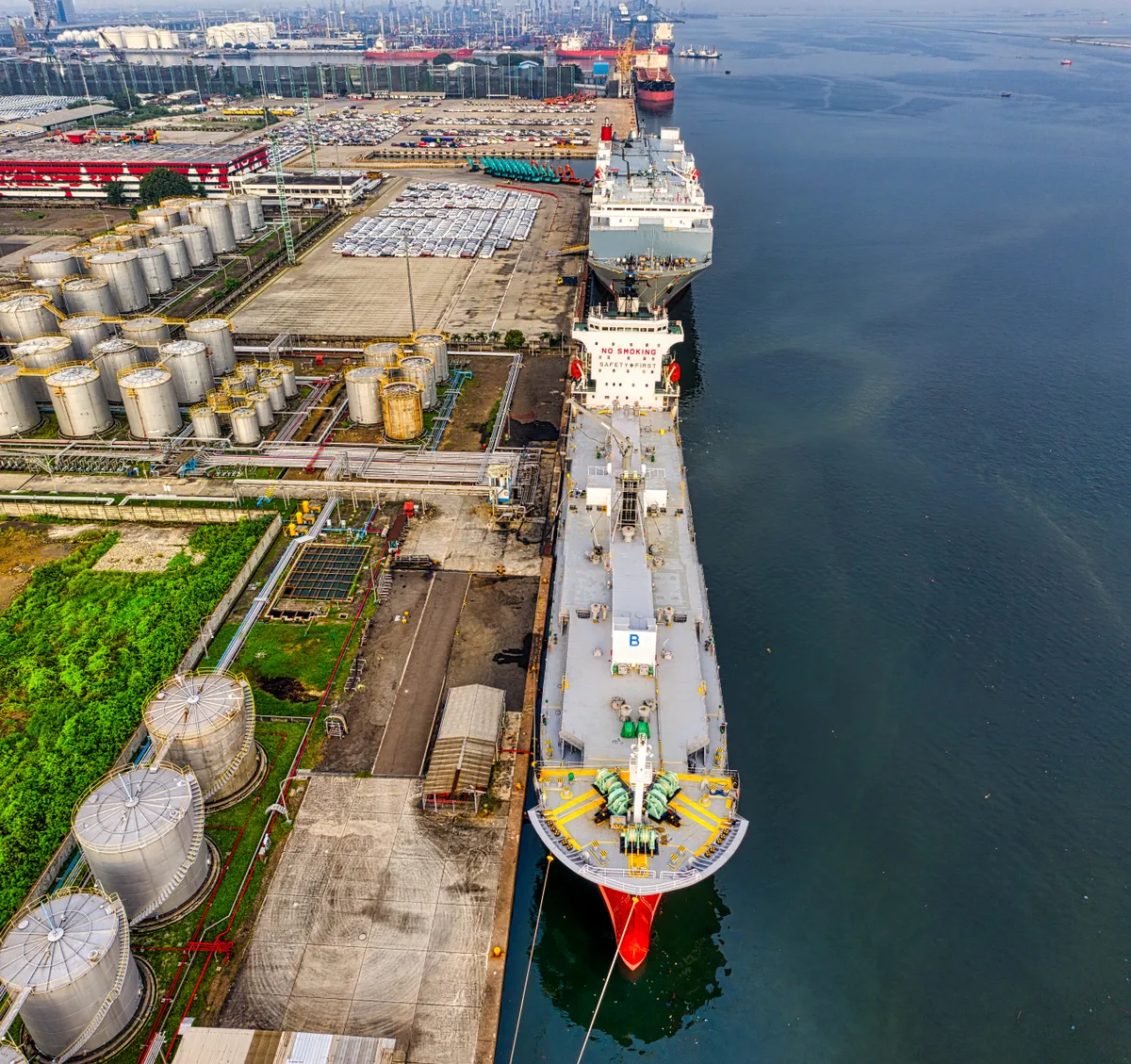
Brazil is the largest soybean exporter in the world and is expected to produce 113 million tonnes this year. About 1.8 million tonnes of that go directly to Germany. The EU recently approved a trade agreement with the Mercosur bloc, which also includes Brazil. It is intended to deepen trade relations. Although soybean imports into the EU are already duty-free, the agreement lowers overall trade barriers and allows a small amount of duty-free imports of meat. A large portion of soybean production is processed into animal feed.
Contrary to the lobbyists’ own representation, the soybean business is by no means sustainable: data from the supply chain platform Trase show an increase in land cleared and converted for soybean production from 635,000 hectares in 2020 to 794,000 hectares in 2022. In addition to the Amazon biome, the Cerrado, the Brazilian savanna, is particularly affected.
The withdrawal from the Soy Moratorium is not only an ecological catastrophe, but also economically extremely short-sighted.
Harald Gross, Greenpeace
According to a pre-study by the Amazon Environmental Research Institute IPAM (Instituto de Pesquisa Ambiental da Amazônia), the end of the moratorium could increase the deforestation rate in the Amazon biome alone by up to 30 percent by 2045.
“The withdrawal from the Soy Moratorium is not only an ecological catastrophe, but also economically extremely short-sighted,” says Greenpeace forest expert Harald Gross. Abiove represents the world’s leading traders, including Cargill, Bunge, ADM, and Louis Dreyfus.
Fourteen European major customers, including Tesco, Lidl, and Aldi, have already announced that they will no longer buy Brazilian soy if the supply chains after the moratorium end cannot be traced. European buyers now bear, at a moment when the EU deforestation regulation has been significantly weakened, a special responsibility for preserving the rainforest.