The official history of wars rarely matches the one kept in the basements of foreign affairs ministries. For decades, the start of the Sri Lankan Civil War was explained as an internal eruption of ethnic tensions between the Sinhalese majority and the Tamil minority. However, the declassified documents that today The Wire analyzes reveal that, while the country burned in the pogroms of 1983, a third actor operated in the shadows with lethally effective prowess: Israel.
The relationship was, from the outset, a marriage of convenience born of desperation. The government of Sri Lanka, besieged by an increasingly sophisticated Tamil insurgency, needed experts in urban warfare and counterinsurgency. Israel, for its part, sought to break its diplomatic isolation in Asia and to obtain hard currency through exporting its thriving military technology. The problem was the ‘what will people say’: Sri Lanka depended on Arab oil and its ties with the Islamic world, so any alliance with the Jewish state had to be strictly clandestine.
The Mossad in the Jungle
According to the 2026 documents, the arrival of the Israeli advisors in Colombo was received with a mix of relief and fear. Shin Bet agents were in charge of professionalizing the police and creating the Special Task Force (STF), a unit that would become famous as much for its effectiveness in combat as for accusations of systematic human rights violations. The Israelis taught the local forces tactical interrogation and surveillance techniques they had perfected in the occupied territories of the West Bank and Gaza.
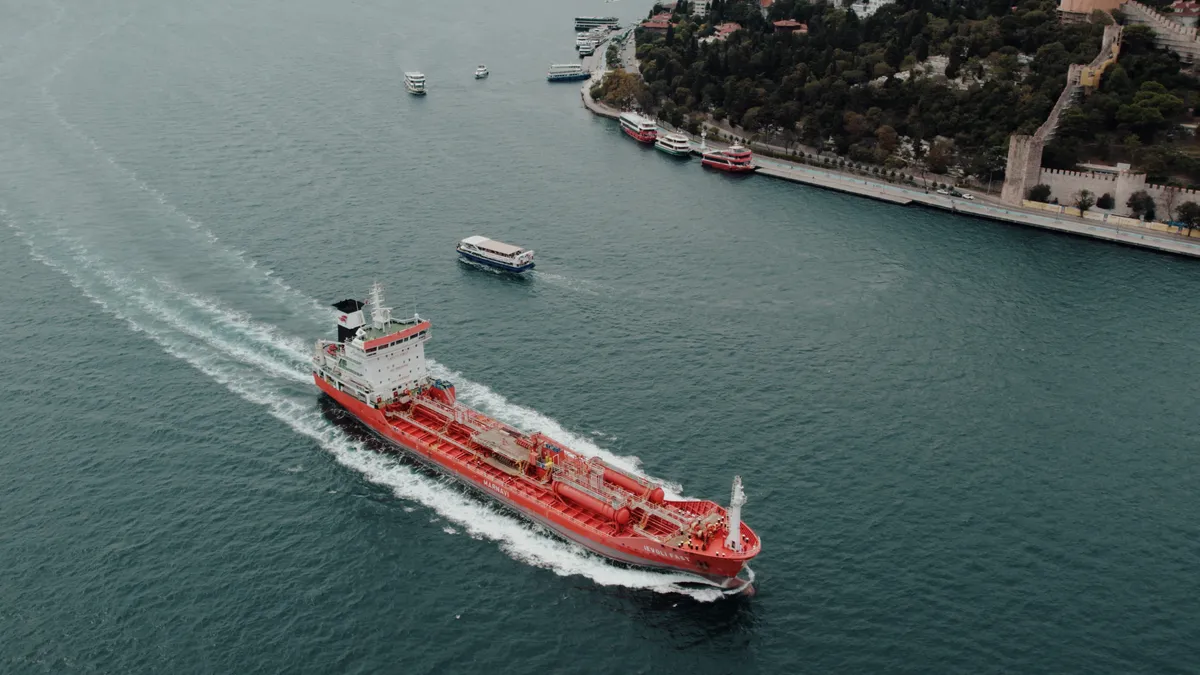
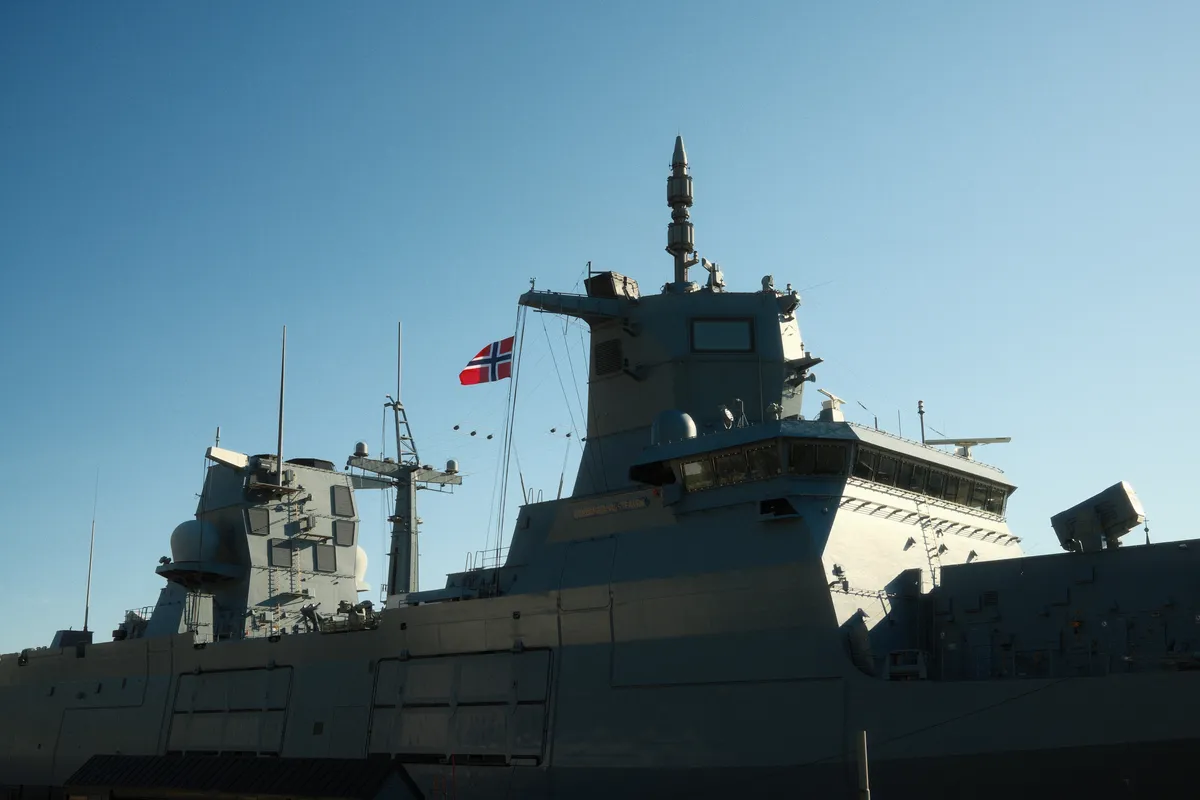
The most scandalous part of the declassified files is the confirmation of what had been a rumor for years: Israel supplied the equipment that allowed the Sri Lankan government to win the battle for sea and air. The boats Dvora and Shaldag cut the Tamil Tigers’ supply lines from India, while the Kfir fighters enabled strategic bombings that changed the course of operations in the island’s north.
The Double Game and the Ethical Consequences
The files also shed light on a troubling facet: the possible “double training.” There are indications that Israeli advisors may have trained Tamil factions at bases abroad (such as in Israel or Europe) simultaneously or in close periods, an intelligence tactic designed to ensure that, whoever the winner was, Israel would have an ally on the ground. This type of revelation is reopening wounds in the Tamil diaspora and in Sri Lanka’s internal politics, where many wonder if the war was prolonged artificially for external interests.
The impact of this intervention was profound. By introducing tactics of ‘total war’ at such an early stage, many doors to political negotiation were closed. The Israeli influence helped to militarize the state of Sri Lanka in a way that would endure long after the last advisers left the island.
Lessons from a Declassification
Looking back from 2026, Israel’s involvement in Sri Lanka serves as a case study on how geopolitics can overlook human rights in favor of strategic advantage. For Israel, it was an opportunity to test its equipment in a real war scenario; for the Sri Lankan government, it was the key to its military survival; for the civilian population, it was the start of 26 years of tragedy that left indelible scars.
The declassification of these documents not only changes our understanding of the past, but forces us to question who the real beneficiaries of the conflicts that bleed South Asia are.