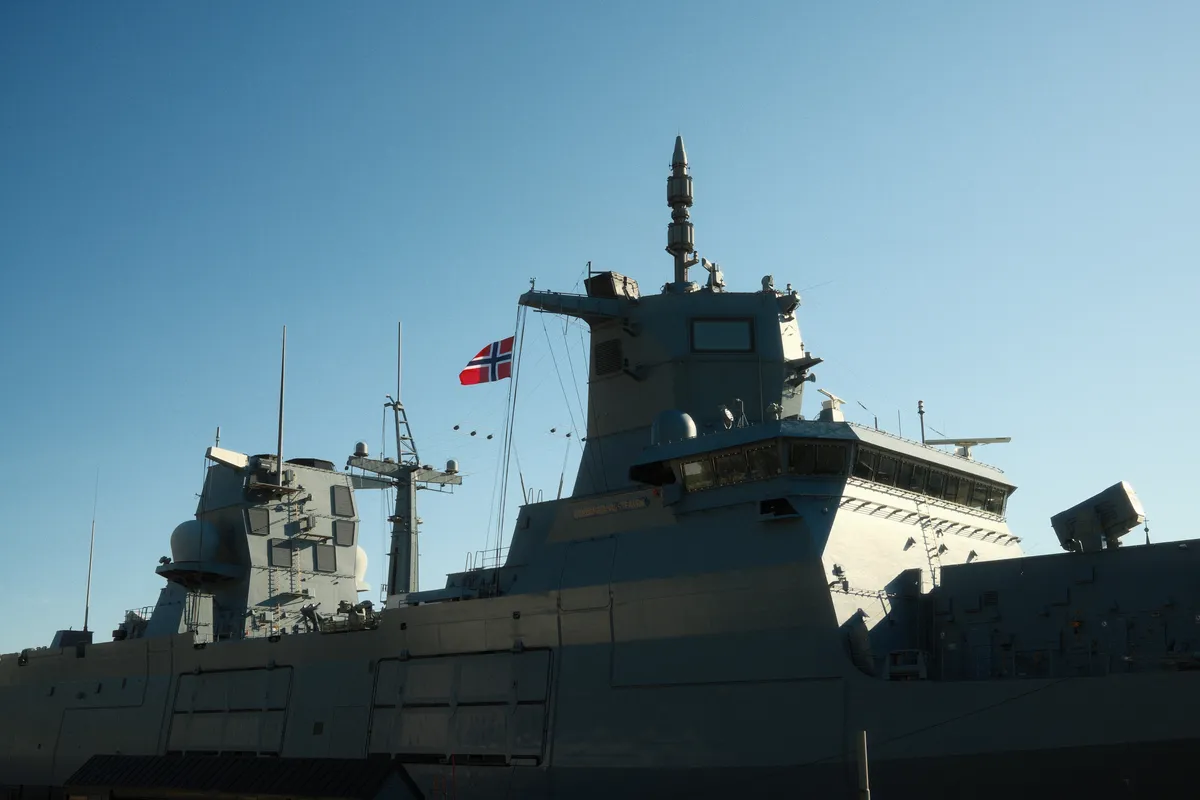
European defense is undergoing a significant transformation, driven by growing geopolitical instability and the need for greater autonomy. Since Russia’s invasion of Ukraine, the urgency to reinforce defense capabilities has taken center stage on the political agenda of European leaders. Traditionally, Europe has depended on the security guarantees provided by the United States, but the recent diplomatic moves by the U.S. administration have highlighted the need for Europe to take the reins of its own defense. This historical context has catalyzed a crucial debate about military capabilities and the funding necessary to establish a robust and efficient defense.
The acceleration of defense spending in Europe
For decades, the defense spending balance has favored the United States, which has accounted for more than two-thirds of NATO’s global budget. In the current context, a noticeable shift in the willingness of European countries to increase their defense budgets has begun to emerge. According to the latest data, in 2024 it is forecast that 23 of the 32 NATO members will meet the 2% of GDP spending target, a significant rise from only seven members in 2022. Poland, for example, leads with a defense budget of 4.12% of GDP, and discussions within NATO suggest that some countries may need to reach a threshold of 3% or more in the future.
The initiative of the U.S. Department of Government Efficiency
The United States Department of Government Efficiency (DOGE) is redefining the defense priorities of its country. This shift, which involves a move toward fixed-price contracts rather than the traditional cost-plus (incremental) contracts, is exerting financial pressure on defense companies closest to the U.S. This new approach can have two opposing effects: on the one hand, it could limit the United States’ ability to fund European defense through NATO; on the other, it could motivate European nations to focus more on increasing national acquisitions and decreasing their reliance on U.S. defense systems.
Moreover, the security landscape is being transformed by the emergence of new threats, such as cyberwarfare and AI-powered military technologies. These new realities underscore the need to make substantial investments in defense and to modernize European arsenals, which in many cases have remained obsolete since the Cold War.
How will Europe finance its defense expansion?
The increase in defense spending presents a monumental challenge, especially in a context where sovereign debt levels in Europe are high. However, European leaders are exploring innovative solutions to secure the necessary funding. One option under consideration is the reorientation of existing European Union (EU) budgets, with a focus on reallocating the Cohesion Funds and the loans from the Recovery and Resilience Facility (RRF) that remain untapped. However, the legal constraints of the EU treaties could limit their application for specific military expenditures.
Another viable alternative is the creation of European Defence Bonds, similar to the successful NextGenerationEU recovery funds introduced after the COVID-19 pandemic. Pooling resources at the European level could present a coordinated and efficient funding mechanism, allowing member states to jointly manage their defense capacity.
In parallel, private investment and public-private partnerships are gaining prominence. Defense contractors and institutional investors are increasingly being viewed as strategic partners to finance large-scale projects, especially in fields such as armaments, cyber defense, and artificial intelligence. Collaborations in this area will enable governments to accelerate procurement terms and technological advances.
Despite these options, it is clear that Europe must find a sustainable financing model to support its growing defense ambitions without jeopardizing economic stability. The challenge will lie in ensuring long-term investments that strengthen the continent’s security and strategic autonomy.
Impact on the defense stock market: Will the positive trend continue?
Since 2022, defense sector equities in Europe have experienced a notable surge, driven by rising order books and the recognition that military investment is no longer optional. In the last year, European defense sector shares rose by 40.8%, outperforming the overall European stock market, which increased by 11.4%.
This momentum in stock performance can be attributed to three trends accelerating growth in the sector:
1. Order books at historic highs: European defense contractors hold an unprecedented backlog. For the 2024-2029 period, forecasts point to a compound annual growth rate (CAGR) of 11% in sales and approximately 16% in both adjusted EBIT and adjusted EPS. These figures stand in notable contrast to the more modest growth observed between 2019 and 2024.
2. Government commitments: With long-term contracts secured and budgets allocated to additional spending, the visibility of demand for defense products in Europe remains robust.
3. Momentum for EU Strategic Autonomy: The European Commission has proposed establishing a European Defence Industrial Strategy (EDIS), with the goal that at least 50% of purchases be made within the EU by 2030, rising to 60% by 2035.
A new era for European defense
The European defense industry is undergoing a period of transformation, marked by a significant rise in investments and a renewed focus on autonomy. In the face of a continually evolving geopolitical risk landscape and the uncertainty regarding U.S. support, European countries are taking proactive measures to forge a more robust and self-sufficient military ecosystem.
Although financing challenges persist, the push in defense budgets, investments in technology, and commitments to NATO make this shift not only necessary but also inevitable. With the support the EU provides for reforms in procurement systems, defense sector equities are well positioned to benefit, especially those with exposure in areas such as land systems (munitions and vehicles) and air systems (air defense, missiles, and drones).
Recent history and its implications suggest that Europe stands at the threshold of a new era in its defense policy, promoting not only the security of its borders but also its strategic autonomy on the international stage. This awakening reflects a confluence of circumstances that, with the right collaboration and political will, could lead the EU to establish itself as a key player in the global defense landscape.