The Supreme Leader of Iran, Ayatollah Ali Khamenei, has issued a blunt warning to Washington: any military attack on Iranian soil will trigger a large-scale regional war. At a moment of peak tension at the start of 2026, Khamenei responded to the deployment of American forces in the area, assuring that “the Iranian nation will not be intimidated” by the imposing presence of warships. “The Americans must know that if they start a war, this time it will be a regional war,” the leader stated through Tasnim News Agency, making clear that the conflict would not be confined to Iran’s borders but would involve multiple actors and allies across the Middle East.
Diplomacy Under the Shadow of Missiles
This exchange of threats unfolds in a complex context of diplomatic duality. On one hand, President Donald Trump has hardened his rhetoric, setting two non-negotiable conditions to avoid military action: Tehran’s total nuclear ambitions must end, and the immediate end to violence against anti-government protesters. On the other hand, Iranian Foreign Minister Abbas Araghchi has acknowledged in international interviews that he still trusts reaching a nuclear agreement, though he concedes that trust in the United States as a negotiating partner has been deeply eroded. According to the foreign minister, the exchange of messages through regional ‘friendly’ countries is enabling ‘fruitful’ dialogues despite the clamor of sabers.
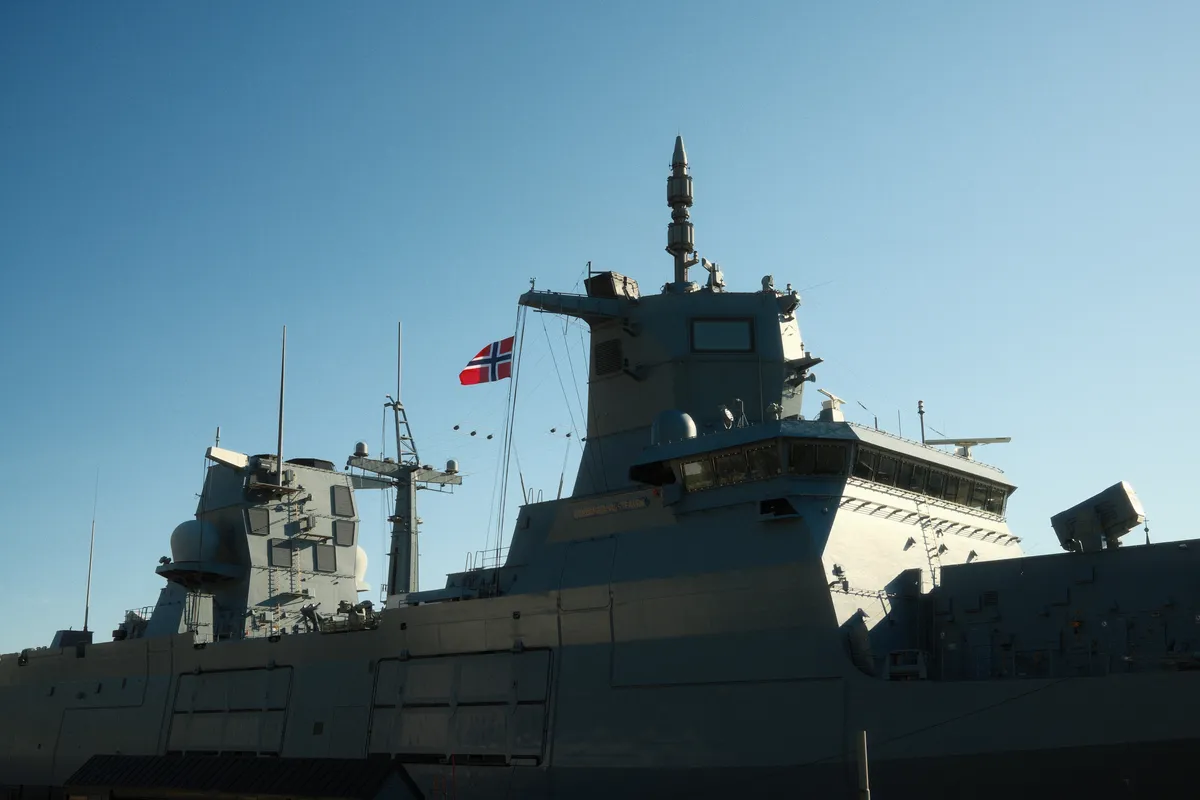
The deployment of the USS Lincoln in the Arabian Sea is not merely a tactical move, but a political message of strength. Yet Khamenei has played down the naval mobilization, describing it as a routine intimidatory attempt that will not sway the will of his government. Meanwhile, senior Iranian security officials suggest that a negotiating framework is under way, indicating that beneath the surface of public threats, both powers are trying to avoid a direct clash that would be catastrophic for the global economy.
Hormuz: The Stranglehold on World Oil
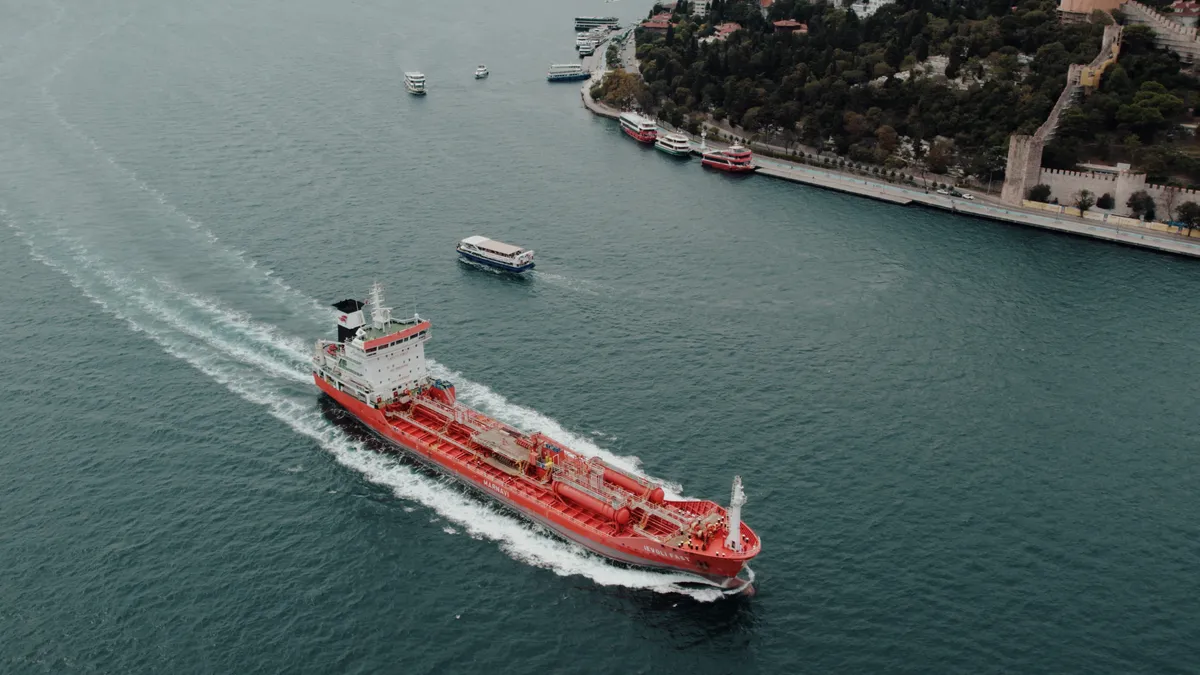
The Strait of Hormuz has once again become the planet’s most dangerous chessboard. Through this narrow strip of water flows one fifth of the oil traded globally, and any misstep could collapse international energy supplies. Iran continues its historic threat to close the strait if attacked, which has led the United States to warn against any ‘unsafe or unprofessional’ behavior by the Islamic Revolutionary Guard Corps (IRGC) near its ships.
The tension has been exacerbated by conflicting reports about Iranian naval exercises with live fire. Although large-scale maneuvers were initially anticipated, Tehran has opted for caution in recent hours, denying immediate plans for military drills. Still, Foreign Minister Araghchi has been emphatic in rejecting Washington’s warnings: “The U.S. military is trying to dictate how our forces should train on their own territory.”
Internal Crisis and Mysterious Explosions
Internal instability in Iran adds a layer of volatility to the conflict. The country has been shaken by a series of recent explosions in strategic cities such as Bandar Abbas and Ahvaz. While local authorities have attributed these incidents to ‘gas leaks’, the atmosphere of suspicion is total, especially after rumors on social media suggesting targeted attacks against commanders of the Revolutionary Guards.
On top of this, the alarming human rights situation. International organizations report a bloody crackdown on protests that erupted in late December. According to the Human Rights Activists News Agency, the death toll could exceed 6,300 people, while other groups warn that the final tally could be much more tragic. Trump has been explicit: “Stop killing the protesters.” Khamenei, for his part, has described the protests as a “suppressed coup,” accusing the demonstrators of attacking mosques, banks, and security forces.
In short, the Middle East walks along a razor’s edge in 2026. With a U.S. aircraft carrier at its doorstep and an Iranian population mired in discontent, any miscalculation in the nuclear negotiations could fulfill Khamenei’s prophecy and turn a diplomatic crisis into the most devastating regional conflict of the past decades.