The geopolitical panorama in the Caribbean Sea has taken a dramatic turn. The Government of Cuba, through an extraordinary appearance by its Ministry of the Revolutionary Armed Forces (MINFAR), has officially declared that the country is in a state of priority combat-readiness. According to Havana, there exists a real and growing threat of direct military intervention by the United States, which has compelled the island to dust off its most rigorous defense protocols.
The news has fallen like a slab on the chancelleries of the world, awakening the ghost of the sharpest Cold War crises. The rhetoric of détente has been replaced by the sound of reservists’ boots and the deployment of anti-aircraft batteries at strategic points across Cuban geography.
The Doctrine of the “People’s War”
The Cuban response is not limited to the movement of its regular troops. The government has forcefully reactivated its central military doctrine: the “People’s War”. This strategy assumes that, faced with a technologically superior military power, the only defense possible is the massive and uninterrupted resistance of the entire society.
Throughout this Monday, mobilization exercises of the Territorial Troops Militias (MTT) and the Production and Defense Brigades have been reported. In cities like Havana, Santiago de Cuba, and Matanzas, citizens have participated in evacuation drills to underground shelters and in fortification exercises of key infrastructures. The MINFAR’s message is unequivocal: “Every inch of land will be an impregnable bastion for any foreign aggressor.”
Why has this crisis erupted in March 2026?
To understand the gravity of the current situation, one must analyze the factors that have stressed the rope to this critical point:
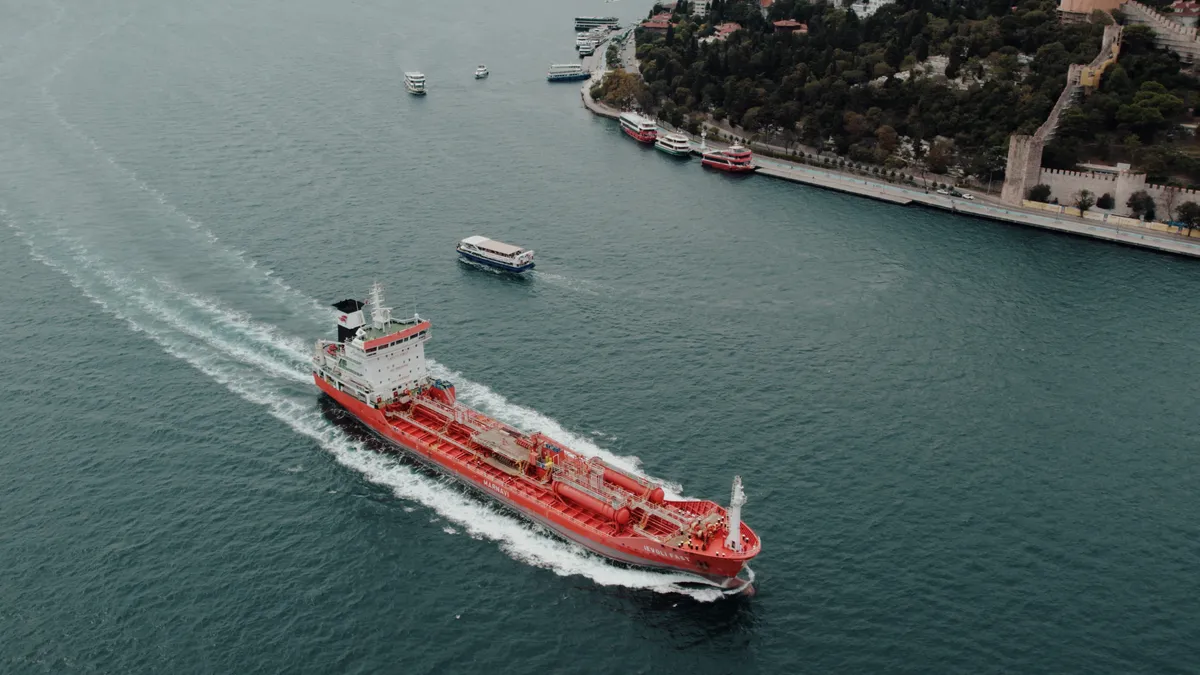
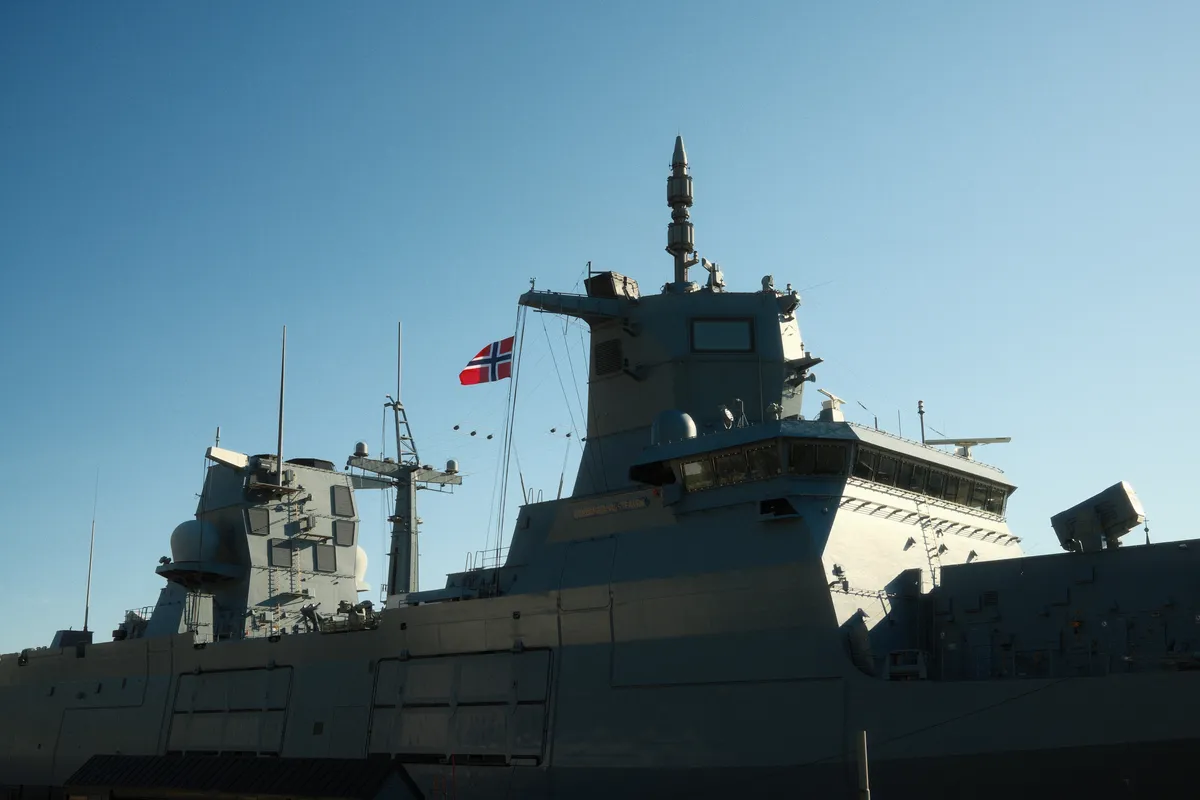
- Movements in the U.S. Southern Command: Cuba denounces that in the last 72 hours there has been an unusual surge in naval activity in the Florida Strait. The presence of carrier battle groups and the increase in electronic reconnaissance flights near Cuba’s Exclusive Economic Zone are seen by Havana as the final preparations for a precision strike or a total naval blockade.
- The Guantánamo issue: The U.S. naval base on Cuban soil returns to be the epicenter of the conflict. Cuba asserts that the flow of war materiel to the base has tripled this March, turning the enclave into a logistical spearhead for a possible land invasion.
- Hybrid warfare and cyberattacks: In addition to the physical threat, Cuba denounces a campaign of cyber sabotage against its power grid and communications systems. According to the island’s government, these actions aim to generate the social chaos necessary to justify an external “humanitarian intervention.”
Washington’s stance: Denial and skepticism
From the White House and the Pentagon, the official response on this March 23, 2026 has been an absolute rejection of the allegations. The U.S. National Security spokesperson described the Cuban alert as “propagandistic paranoia.” Washington maintains that its exercises in the Caribbean are routine counter-narcotics operations and that there is no operational plan for an invasion of the island.
However, intelligence analysts point out that the hardening of economic sanctions imposed at the beginning of the year has left the Cuban government in an extremely vulnerable position, which could be pushing Havana to use the “external threat” as a mechanism of internal cohesion in the face of social discontent due to shortages of basic supplies.
Impact on the region: A Caribbean under pressure
The military escalation in this March 2026 has immediate consequences for the stability of all of Latin America. Countries such as Mexico, Colombia and Brazil have expressed deep concern and have requested an urgent meeting of the Organization of American States (OAS) and the Community of Latin American and Caribbean States (CELAC) to mediate the conflict.
The tourism sector, vital for Cuba’s economic survival, has suffered a devastating blow. International airlines have begun issuing travel advisories and the cruise ships operating in the region are diverting their routes for fear of being trapped in a military exclusion zone. In the streets of Havana, the mix of patriotism and fear is palpable, as families rush to stock up on food amid the uncertainty of what may happen in the next 48 hours.
This March 2026, the world watches with restraint the Florida Strait. History has shown that, in situations of high military tension, a small miscommunication or a minor incident in international waters can escalate into a conflict of unpredictable proportions. While Cuba keeps its armed forces on high alert and the U.S. keeps its naval assets in position, international diplomacy is racing against the clock to prevent the Caribbean from becoming, once again, the stage for a war that no one seems to want, but for which everyone is preparing.