The strategic role of the Morón de la Frontera and Rota bases has solidified as one of the master pieces on the chessboard pitting Washington against Tehran. In the current 2026 scenario, these facilities not only represent a Cold War legacy, but have transformed into one of the nerve centers of American power projection toward the Persian Gulf.
In this sense, it should be noted that geography has benefited the Iberian Peninsula with a position that allows NATO forces to have one foot in the Atlantic and another in the Mediterranean, creating a logistical corridor that no other allied nation can replicate with the same efficiency.
AIR BRIDGE OVER THE STRAIT OF GIBRALTAR
The Morón de la Frontera base has ceased to be a secondary airfield and has become one of the world’s most important “service stations” for combat aviation. Without the constant flow of tanker aircraft taking off from its runways, the capacity of strategic bombers to reach targets on Iranian soil would be drastically diminished.
The base enables aircraft crossing the Atlantic to make a vital technical stop, ensuring that pilots reach the theater of operations with the fuel and rest necessary. This sustainment capability is what allows the United States to maintain a credible threat of a “global strike,” where distance ceases to be an obstacle and becomes merely a logistical variable managed from southern Spain.
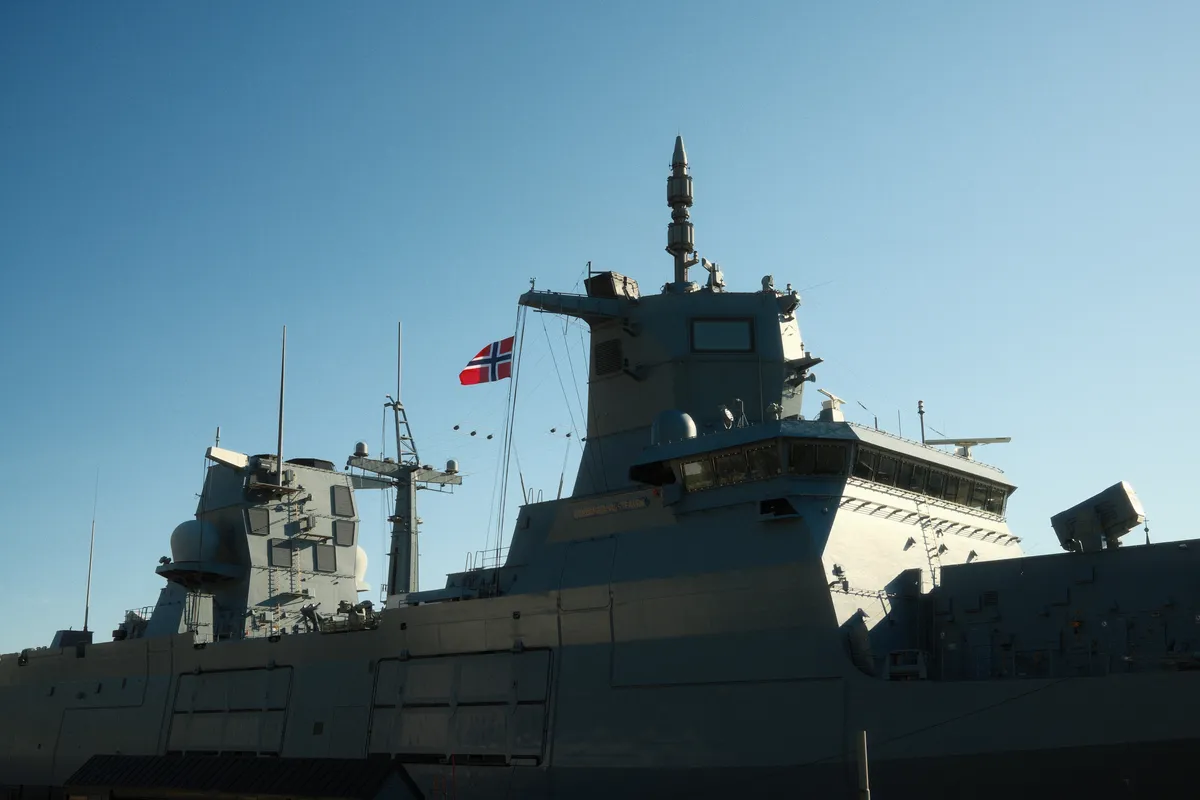
Por su parte, la Base Naval de Rota aporta la dimensión marítima y defensiva que requiere cualquier ofensiva moderna. La presencia de los destructores con sistema Aegis convierte a la bahía gaditana en el núcleo del escudo antimisiles que protege no solo a las fuerzas expedicionarias, sino a toda Europa de posibles represalías balísticas.
Estos buques no son meros espectadores; su tecnología de radar y su capacidad de interceptación en las capas altas de la atmósfera son la primera línea de defensa contra el arsenal de misiles de largo alcance que Teherán ha desarrollado en la última década. Rota funciona como un puerto de avanzada donde la inteligencia electrónica y la potencia de fuego naval se fusionan, permitiendo una vigilancia constante sobre las rutas que llevan al Canal de Suez.
DELICATE BALANCE
However, this war machinery operates under a complex web of bilateral agreements that obligate a constant dance between the White House and the Moncloa Palace. The use of bases for missions that do not have explicit backing from the NATO places the Spanish government in a highly compromised position on many occasions.
Each flight authorization and every docking of a warship is examined under the lens of an agreement that, while granting broad freedoms to U.S. troops, formally keeps the Spanish flag at the main mast. In a possible attack on Iran, the challenge for Spain would not be merely logistical, but ethical and political, having to decide to what extent its territory can serve as a trampoline for a war with unpredictable consequences in the energy market and Mediterranean security, and even for the Spanish population itself in any corner of the world.
In reference to this, the closing of the Andalusian strategic corridor would not be a mere bureaucratic setback, but a fracture in the backbone of Pentagon logistics. If Morón’s runways and Rota’s docks were taken out of the equation, the United States would face a domino effect that would drastically alter response times and the security of its assets in the Indian Ocean and the Persian Gulf.
STRANGULATION ON THE SUPPLY LINE
Without Morón’s “gas station,” the strategically bombing groups that take off from the continental United States (such as the B-21 or B-52J) would lose their most reliable foothold in the Atlantic. This would force the flow to be diverted to bases such as Lajes in the Azores or Sigonella in Italy.
However, Lajes lacks the massive fuel storage infrastructure that Morón has, and Sigonella is already operating at the limit of its capacity for missions in North Africa. The result would be a delay of between 12 and 24 hours in aircraft rotations, reducing the frequency of attack waves and forcing tanker aircraft to undertake much longer and more dangerous routes over the central Mediterranean.
The departure of the Aegis destroyers from Rota would leave a “blind spot” in NATO’s ballistic missile defense architecture. Currently, these ships can patrol the eastern Mediterranean and the Red Sea with immediate logistical support from Cádiz. If Rota were closed, the transit time for critical repairs or replenishment of interceptor missiles would increase significantly.
For a fleet operating in the Indian Ocean, not having Rota means relying exclusively on the Diego García base (extremely remote) or Gulf ports that are within the direct reach of Iranian missiles. This would reduce operational flexibility: ships would have to stay longer in risk zones without being able to rotate for maintenance, increasing crew fatigue and equipment wear.
The closure of the Spanish bases would force Washington to press allies such as Greece (Souda Bay) or Cyprus (Akrotiri) to absorb the diverted traffic. However, none of these installations possesses the unique combination of Rota: a deep-draft port linked to a high-capacity airport.