The accelerated deterioration of the situation in Cuba due to the blockade imposed by the United States has activated an international response that combines humanitarian action, political pressure, and symbolism.
In this context, the NGO Open Arms, former vice president Pablo Iglesias, and Progressive International have converged on a series of initiatives aimed at alleviating the island’s energy and social crisis, while denouncing the hardening of the U.S. embargo.
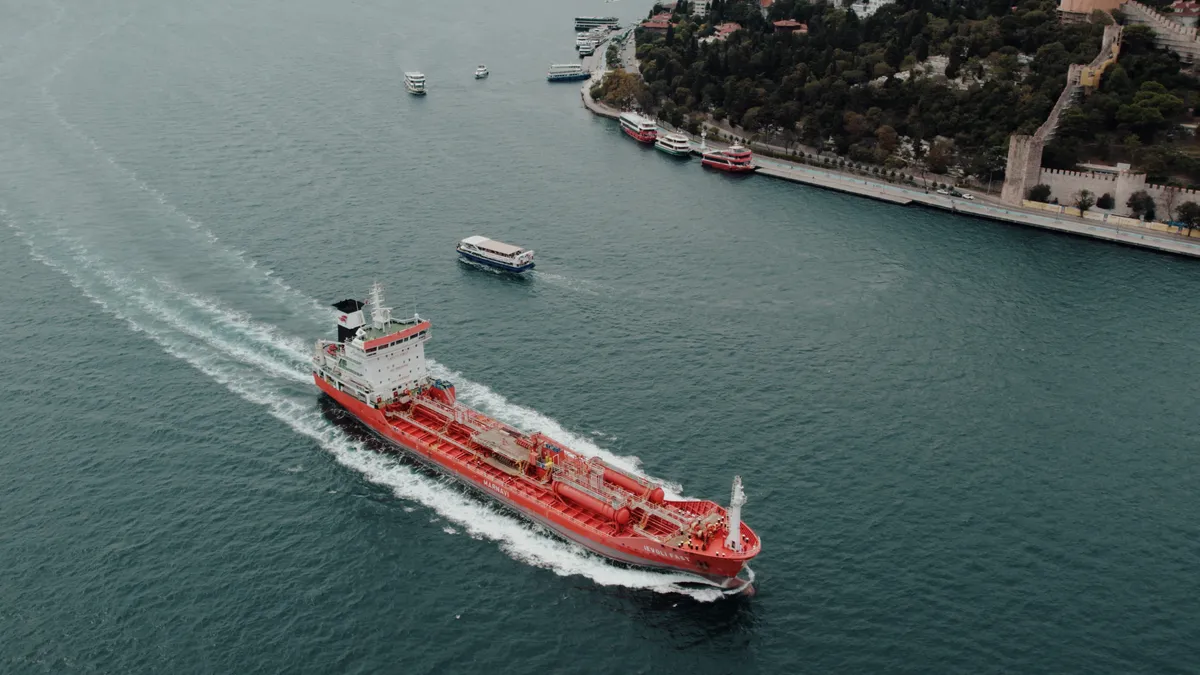
The most immediate project is the launch of a flotilla, ‘Rumbo a Cuba’ (Heading for Cuba), driven by Open Arms, which intends to bring photovoltaic energy to hospitals in Havana. The initiative arises at a critical moment: fuel shortages have caused recurrent blackouts that affect essential services, especially healthcare facilities.
The objective is to guarantee basic electrical supply in key infrastructures, such as pediatric hospitals, where the lack of energy directly threatens patients’ lives. The organization founded by Óscar Camps, known for its work in the Mediterranean since 2015, thus takes another step in its evolution as a global humanitarian actor.
After intervening in scenarios such as the migrant crisis in Greece or the opening of corridors in Gaza in 2024, Open Arms now transfers its logistical experience to a crisis that is less visible, but equally deep.
The plan includes setting sail from Barcelona, stopping in several Spanish cities to raise funds, and crossing the Atlantic with materials destined, for the most part, to solar energy installations.
Facing an suffocating embargo from the Donald Trump administration that limits access to fossil fuels, photovoltaic energy presents itself as a viable and relatively autonomous solution. Camps himself has insisted that the objective is not only symbolic, but tangible: to keep incubators, medical equipment, and basic services operational.
The initiative will be financed mainly through crowdfunding, with most of the resources going directly to the purchase and installation of solar panels.
THE FLOTILLA
Parallel to this humanitarian operation, another broader political initiative is taking shape: the Nuestra América Flotilla. It will involve figures such as Pablo Iglesias, former British Labour leader Jeremy Corbyn, and Sumar deputy Gerardo Pisarello.
The expedition, backed by Progressive International, aims to deliver about 20 tons of essential supplies to the island. According to the organizers, the flotilla responds to “a rapidly deteriorating situation” that affects the operation of hospitals, transport, and daily life. In recent months, the crisis has intensified after new energy restrictions that drastically reduced the fuel supply.
The impact is visible: prolonged blackouts, mobility limitations, and a generalized deterioration of public services. The flotilla is not merely a convoy of aid. Its proponents present it as a political and symbolic action against what they consider a “collective punishment.”
In this sense, they draw parallels with other similar initiatives, such as the flotillas sent to Gaza, which managed to attract international attention to situations of prolonged blockade. The intention is twofold: relieve urgent needs and, at the same time, generate media and diplomatic pressure.
The international dimension is key. Alongside Iglesias and Corbyn, figures such as Colombian leader Clara López or American activist Hasan Piker will participate, in addition to trade unionists and representatives of social movements from Europe and Latin America.
Both initiatives —the Open Arms energy mission and the flotilla driven by Progressive International— share a diagnosis: the Cuban crisis cannot be understood without the impact of the blockade.
For more than six decades, economic restrictions have conditioned the island’s development, but the recent hardening has worsened an already delicate situation. The shortage of food, medicines, and fuel has stretched daily life to the limit.
Open Arms has chosen to focus on the direct impact on the civilian population. Its approach is similar to what it has applied in other scenarios: act where needs are most urgent, regardless of the political context. The priority, in this case, is the most vulnerable groups, especially children and the elderly, in a country where demographic aging adds pressure to the healthcare system.
THE FUTURE OF CUBA
The Nuestra América Flotilla, for its part, assumes the political component more explicitly. Its promoters defend Cuba’s right to decide its future without external interference and denounce the economic suffocation strategy imposed by the Donald Trump administration. At the same time, they emphasize that the mission will be conducted within the framework of international law and with a peaceful character.
The convergence of both initiatives reflects a broader trend: the orchestration of transnational solidarity networks that combine activism, humanitarian action, and political pressure. In an increasingly fragmented world, these humanitarian coalitions seek to amplify their impact through media visibility and social mobilization.