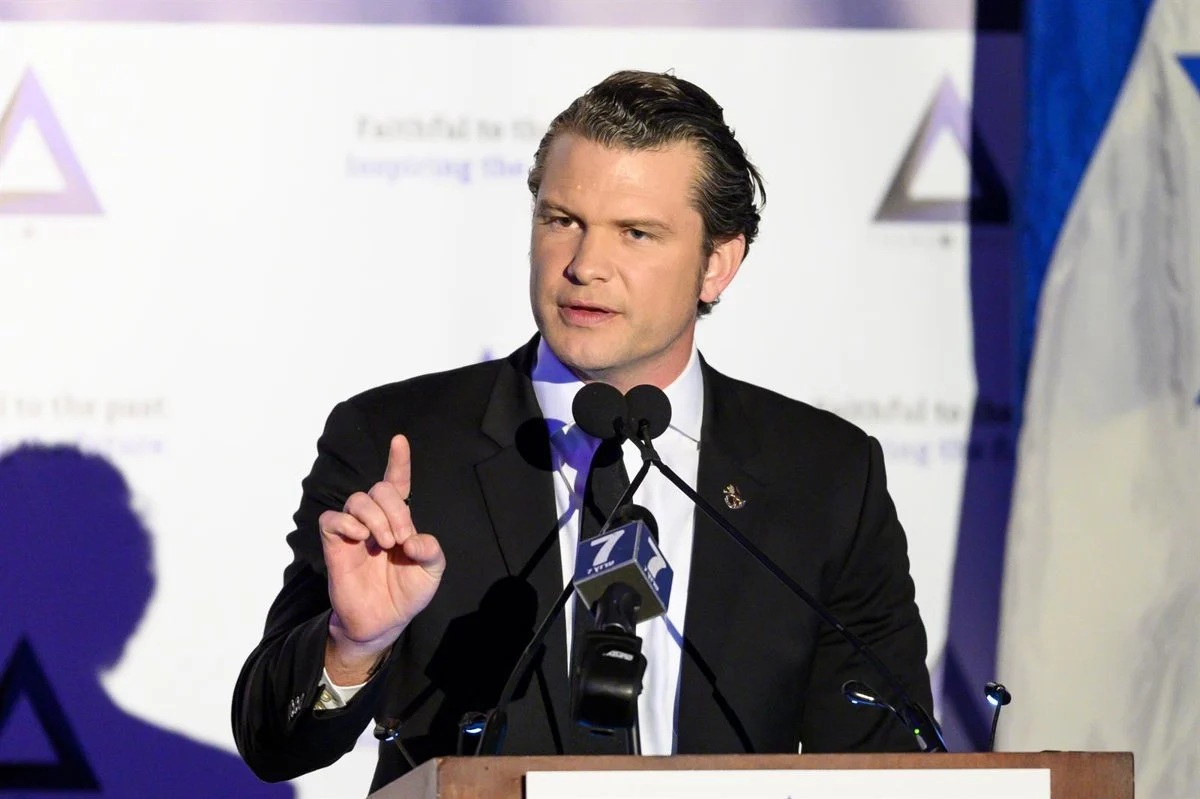
In the complex war scenario, where Reaper drones strike Iran and nuclear tensions reach their peak, an unexpected battlefield has emerged: the Pentagon press room. The decision to exclude photojournalists because Secretary Pete Hegseth appeared “unflattered” in the photos of March 2 has ceased to be a PR anecdote and has become a free-speech scandal.
The right not to come out «handsome» at the Pentagon
Photojournalism’s mission is to document reality, not produce advertising portraits. In a press briefing about the war, a frown or a concerned expression from a Secretary of War is information as relevant as his words. However, Hegseth’s team seems to have forgotten this basic journalistic principle.
According to The Washington Post, the order to restrict access to international agencies was a direct retaliation for the dissemination of images that did not meet the secretary’s aesthetic standards. Instead, the Pentagon now offers its own photos: retouched, curated, and approved by the government itself. «Government photos are not news, they’re propaganda», have responded various press associations.
A Pentagon increasingly opaque
This incident is not an isolated event. Since Hegseth took office in January under the new Trump administration, access to information has plummeted. Credentials have been withdrawn, journalists’ movements around the building have been restricted, and a “choir” of allied media has occupied the seats left by traditional outlets that refused to accept these impositions.
The veto of photographers is the latest step toward fully controlled communication. By removing the independent eye of a photographer from Reuters or Associated Press, the Pentagon ensures that the only image of the war that reaches the public is the one they want to project: one of order, control and staged heroism.
The price of vanity in times of conflict
What most outrages international public opinion is the contrast between the gravity of the situation in the Middle East and the superficiality of the measure. While the Congress debates the human and economic cost of attacks on nuclear facilities, the Department of War devotes time and resources to managing the camera angles of its secretary.
«It is a disrespect to the public and to the soldiers who are on the front», said a veteran war correspondent. “If the secretary is more concerned with his profile than with the transparency of his war reports, we have a serious leadership problem.”
The danger of the single image
The exclusion of photojournalists is a warning to navigators. If the government can decide who takes the photos based on aesthetic criteria, the next step is to decide which questions can be asked based on kindness criteria. The Pete Hegseth Pentagon has decided that, in modern warfare, the image is everything, even if keeping it requires sacrificing truth and the right to information.