The expansion of Israeli influence in the Horn of Africa, consolidated in early 2026, represents one of the boldest strategic shifts of Benjamin Netanyahu’s administration. What began as a tactical necessity to escort commercial ships in the Red Sea has evolved into a doctrine of “deep peripheral security”, where Israel seeks to establish a network of non-Arab allies and recently recognized states to counter Iran’s hegemony in global sea routes.
Next, we analyze the pillars of this expansion and its repercussions in a highly volatile geopolitical scenario.
The Recognition of Somaliland: The “Trojan Horse” Diplomacy
The official recognition of the Republic of Somaliland by Israel in January 2026 has shaken the foundations of the African Union. Somaliland, which has functioned as a de facto independent state since 1991 but lacked international recognition, offers Israel something that no other country in the region can guarantee: a stable coastline of 850 kilometers right opposite the coasts of Yemen.
For Israel, Somaliland is not only a commercial partner; it is a logistics platform. The agreement includes the opening of a liaison office with diplomatic rank and, most importantly, a security cooperation pact that allows Israeli intelligence (Mossad and Aman) to operate listening stations in the Golis mountains. These facilities enable intercepting communications of the Houthis and monitoring drone and missile launches even before they cross the Gulf of Aden.
The “Stability Axis”: The Alliance with the United Arab Emirates
Israel has not arrived in the Horn of Africa alone. Its advance is deeply intertwined with the interests of the United Arab Emirates (UAE). The UAE has invested billions in the port of Berbera, transforming it into a world-class container terminal and a military base.
The synergy is clear:
- The UAE brings infrastructure and capital: They control the ports and have a long-standing relationship with local elites.
- Israel brings defense technology: C-Dome air defense systems (the naval version of the Iron Dome) and state-of-the-art radars to protect these same infrastructures against long-range attacks.
This alliance creates a “defensive wall” that aims to block Iranian influence, which uses Eritrea and the ungoverned areas of Somalia for arms smuggling.
Control of the Bab el-Mandeb Strait
Israel’s military calculus centers on a critical geographic point: the Bab el-Mandeb Strait (“The Gate of Lamentations”). Through this chokepoint passes roughly 10% of global maritime trade and a large portion of the oil that reaches Europe.
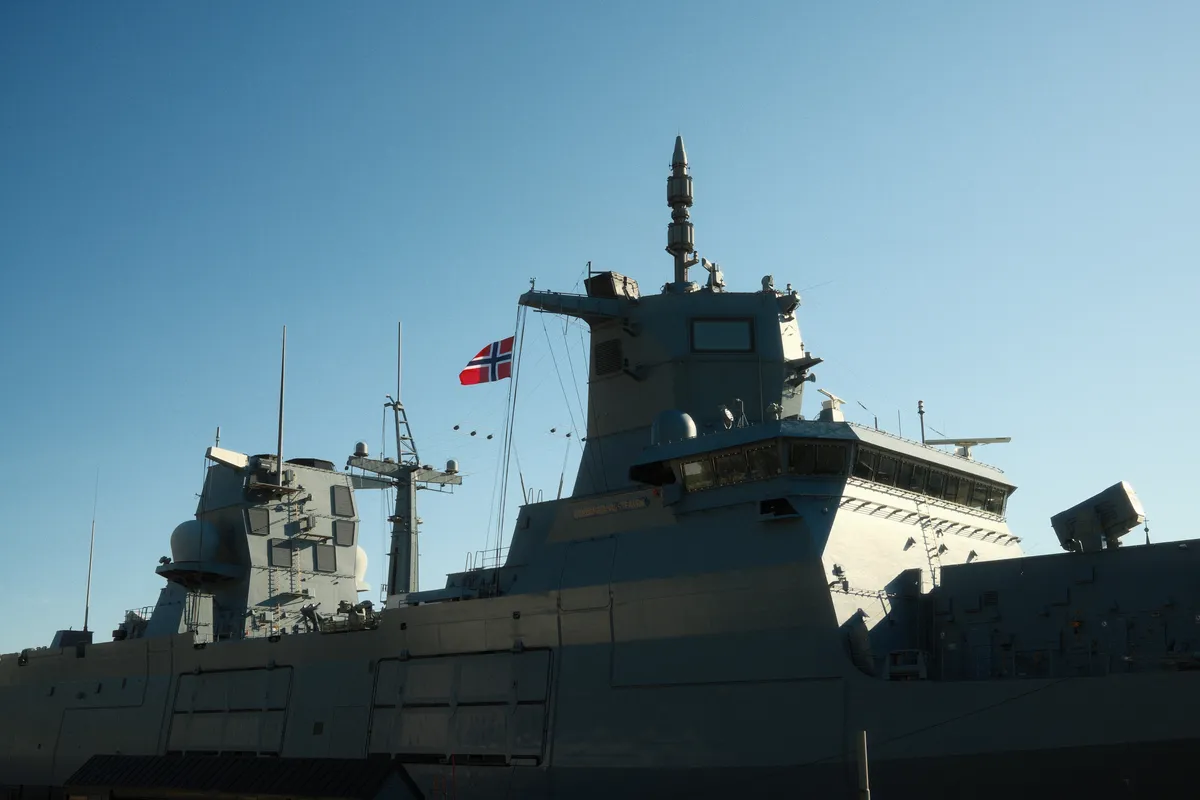
After the blockades suffered between 2024 and 2025 by Yemeni militias, Israel has realized that it cannot rely solely on US-led international coalitions. The creation of a Permanent Maritime Task Force based in friendly ports in the Horn of Africa allows the Israeli Navy (especially its Sa’ar 6-class corvettes) to conduct long-range patrols without depending on constant replenishment ships from the port of Eilat.
The Response of the Regional Powers: Turkey, Egypt and Saudi Arabia
The entry of Israel into a zone traditionally considered the “backyard” of Muslim powers has generated immediate friction:
- Turkey: As the main ally of official Somalia (Mogadishu), Ankara sees Somaliland’s recognition as a direct threat to its military and economic presence in the Horn of Africa. The Turkish government has reinforced its Camp TURKSOM base in Somalia and warned that any establishment of Israeli bases will be seen as an act of provocation.
- Egypt: Cairo fears that Israeli presence in the Red Sea will compromise its exclusive control over the security of the Suez Canal. For Egypt, Israel becoming the “arbiter” of security in the Red Sea is a blow to its national prestige and to its toll revenues.
- Eritrea: Although it maintains a low profile, the regime of Isaias Afwerki has historically been pragmatic. Reports in 2026 suggest that Israel has renewed its lease agreements on Mount Amba Sawara to install electronic observation posts that look directly toward Iranian bases in the Persian Gulf.
Risks of a Proxy War
The greatest danger of this new military calculus is that the Horn of Africa becomes the theatre for a proxy war between Israel and Iran. If Tehran perceives that Israel is achieving an effective encirclement, it could increase its support for insurgent groups in Somalia or even attempt to sabotage infrastructure in Somaliland.
Moreover, the tension between Somalia and Somaliland could erupt into open conflict, forcing Israel to choose between militarily intervening to protect its new ally or withdrawing, which would damage its credibility in the region.
A New Order in the Red Sea
As of January 2026, Israel has made clear that its security no longer begins at its borders, but thousands of kilometers away, where the threats originate. The recognition of Somaliland is the centerpiece of a board where technology, port control, and unconventional alliances dictate who dominates the trade routes of the 21st century. The Gate of Lamentations now has a new guardian, and its presence promises to reshape African geopolitics forever.