The balance of the global economy, which in recent years has navigated between the post-pandemic recovery and the tensions in Eastern Europe with the War in Ukraine, faces today its most critical challenge. The direct attack on Iranian territory and the consequent escalation toward a regional war represent not only a first-order diplomatic conflict, but a financial earthquake whose ripple effects threaten to destabilize the structures of consumption, production, and monetary policy across all five continents. The possibility that this scenario materializes places the world before a systemic vulnerability where oil, supply routes, and investor confidence act as the main triggers of a cascading crisis.
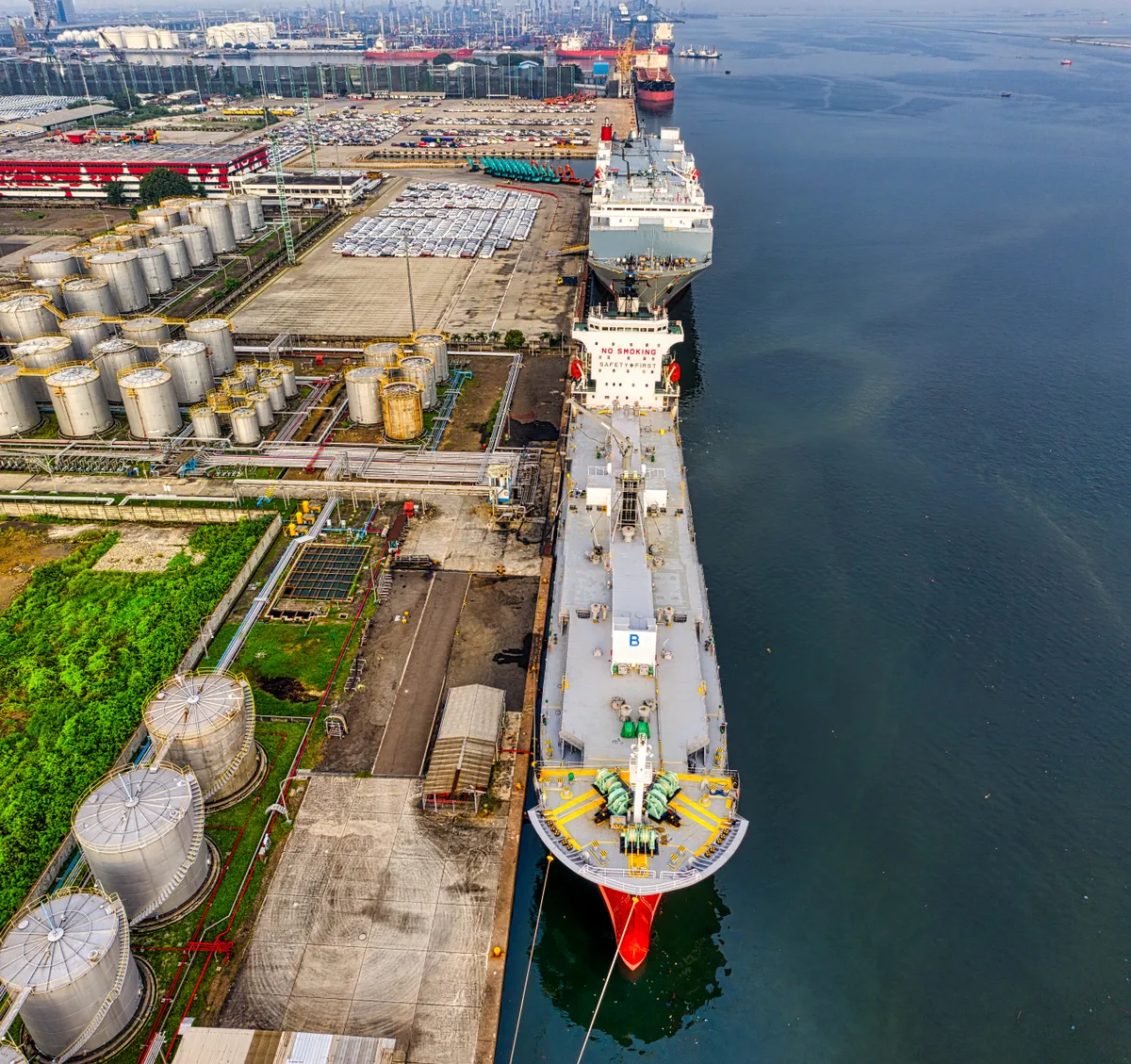
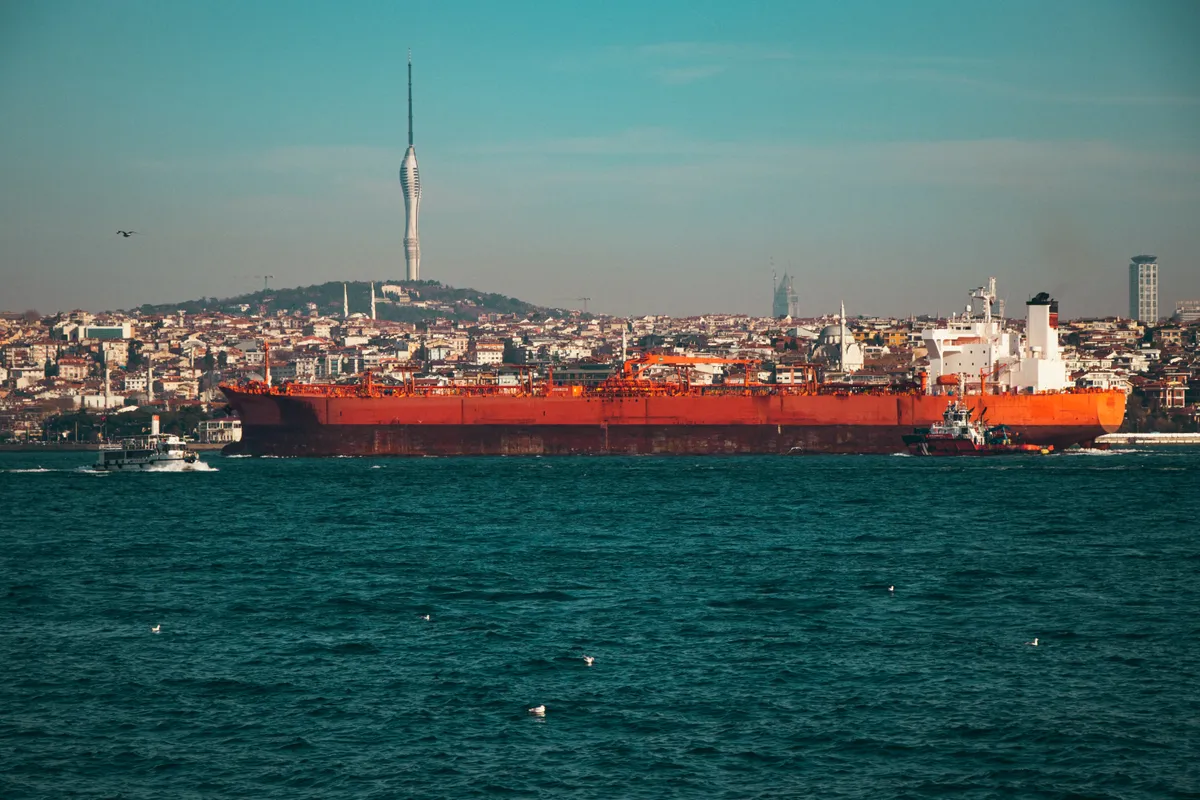
The center of this concern lies in the energy sector. Iran is not only a massive crude producer, but the de facto guardian of the Strait of Hormuz, the most strategic choke point for global energy trade. Through this narrow sea lane passes approximately one-fifth of global oil consumption and a substantial portion of the liquefied natural gas that fuels Asian and European economies. An open conflict in this area would push Brent crude prices higher immediately. The more conservative analysts place oil above $100 a barrel, while scenarios of a complete disruption in the strait project figures that could climb to $150 a barrel, levels unseen before that would paralyze international transport and drastically raise the cost of industrial production.
GLOBAL INFLATION ON THE RISE
This abrupt rise in energy costs would function as an accelerator of inflation worldwide. Just as central banks were starting to regard the price surge of previous years as controlled, a petroleum supply shock would compel them to maintain or even raise interest rates. This decision, necessary to contain the impact on prices, would have as a collateral damage a credit squeeze for businesses and households, slowing economic growth and pushing several developed economies toward a technical recession. In this context, citizens’ purchasing power would be doubly hit by higher energy bills and a cost of living that would rise again, affecting especially emerging markets that depend on fuel imports.
Financial markets have already begun to show signs of deep risk aversion. In moments of war-related uncertainty, capital tends to flee from equities to seek safety in safe-haven assets. Gold, the traditional bulwark in times of crisis, would see its value propelled to historical highs, while the U.S. dollar would strengthen against other currencies, making external debt for developing countries more expensive and complicating their fiscal stability. Stock markets, for their part, would experience extreme volatility, with significant declines in sectors such as aerospace and automotive, which are highly sensitive to fluctuations in fuel prices.
IMPACT ON GOODS TRAFFIC
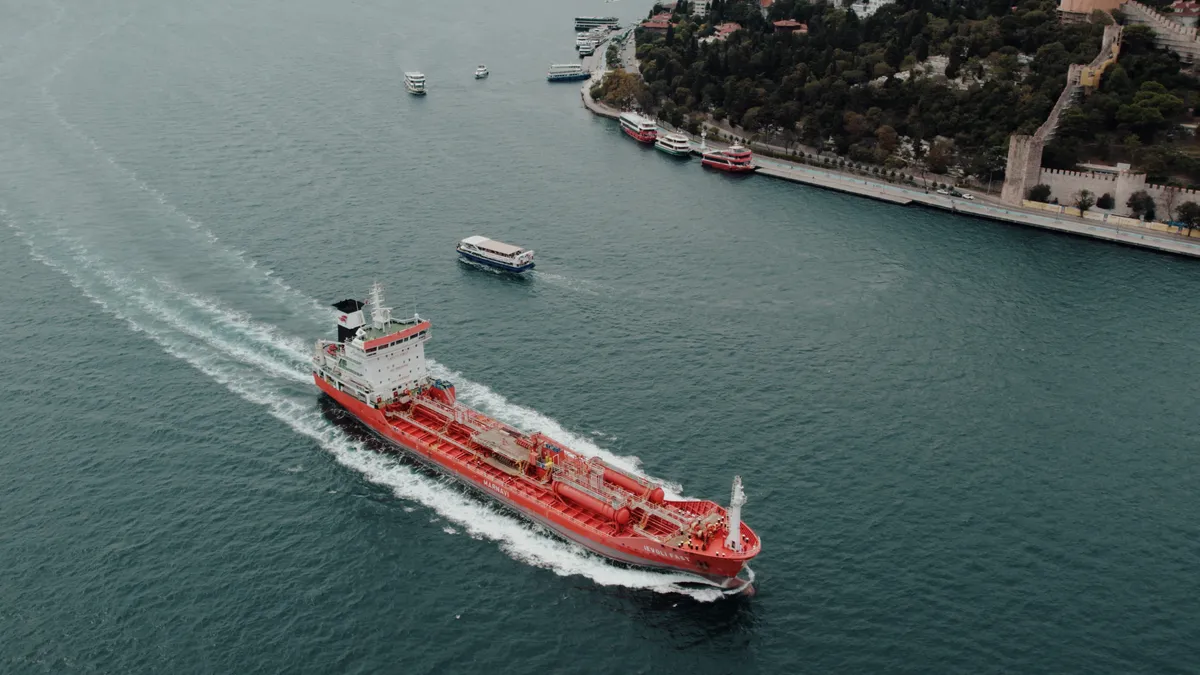
Nevertheless, the impact would not be limited to energy and finance alone. Global supply chains, still sensitive after recent logistical crises, would suffer a new fracture. The Middle East is a vital node not only for oil but also for the goods traffic that connects Asia with Europe. The rise in war-risk premiums for cargo ships and the need to reroute maritime routes to longer and more costly paths would translate into delivery delays and an increase in prices of manufactured goods. The uncertainty about the security of critical infrastructures in the region, including desalination plants and refineries in neighboring countries, would add an extra layer of risk to the region’s stability and its trading partners.
Regionally, the consequences for Iran and its neighbors would be devastating. A war of these characteristics would not only destroy vital productive infrastructure, but would trigger capital flight and brain drain that would be difficult to reverse. The devaluation of local currencies and rising unemployment would generate social instability that could extend beyond the borders of the initial conflict. For countries like China, the main buyer of Iranian crude, the disruption of supply would force a reconfiguration of its energy sources, which in turn would pressure the markets of other exporters and alter the current geopolitical balances.
The outlook before a regional war in the Middle East after the attack on Iran is that of a global economy fragmented and under siege. The interdependence that has defined growth in the last decades now becomes a mechanism for transmitting crises. While diplomatic actors try to prevent the tension from surpassing the point of no return, the world watches with concern markets that are already pricing in the cost of instability. Global economic recovery hangs by a thread that grows thinner as the drumbeat of war intensifies in one of the planet’s most volatile regions.