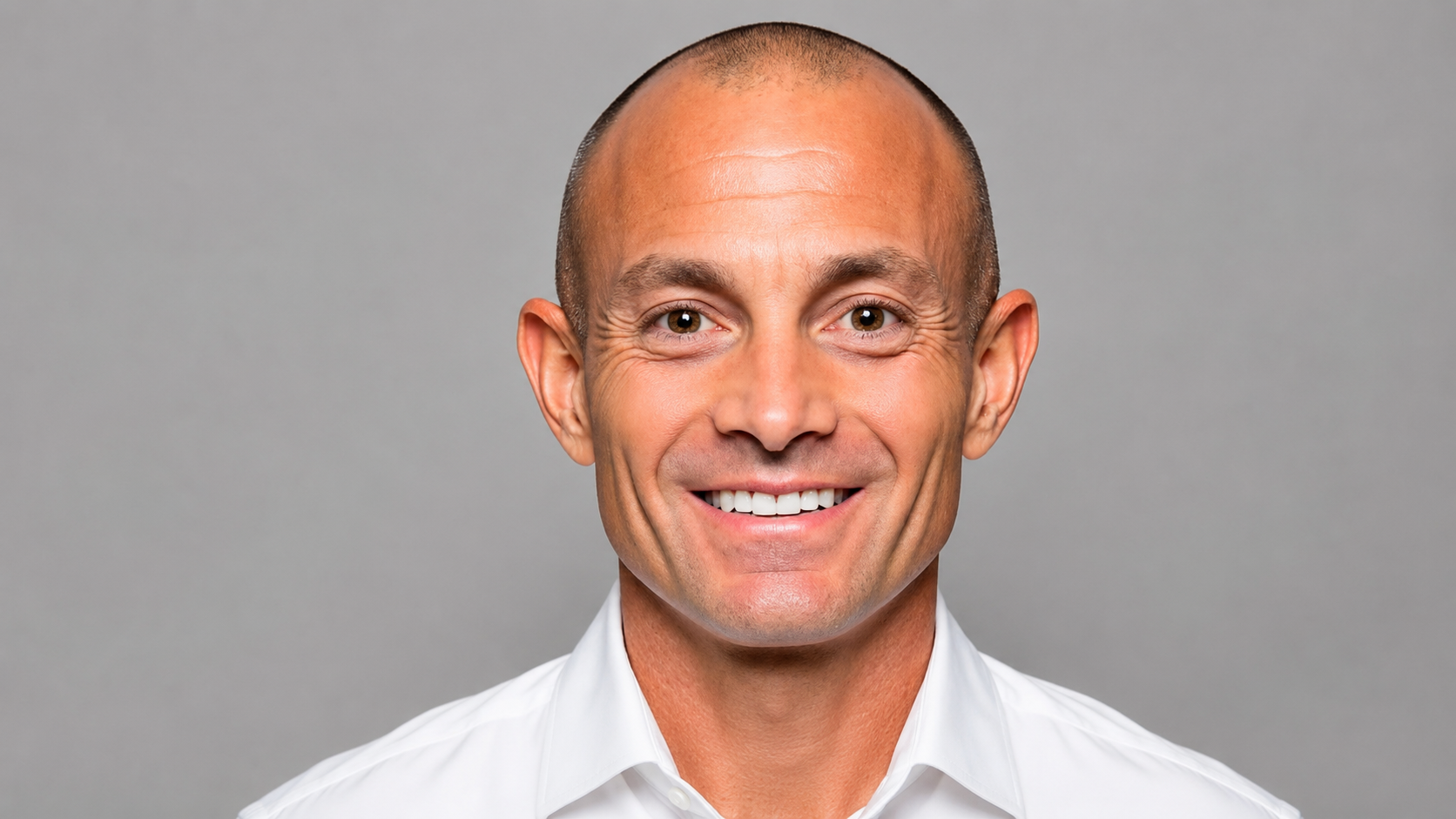
Trump inauguration donors collectively handed the incoming president $239 million, more than doubling every previous record, according to a filing with the Federal Election Commission reported by The New York Times. Michael Dell was among the earliest and most visible, and his company has since collected a string of favorable outcomes from the administration.
| Data Point | Detail |
|---|---|
| Total raised, 2025 inauguration | $239 million (FEC filing) |
| Previous inauguration records | More than doubled |
| Senate concern threshold | $150 million projection (January 2025) |
| Pennsylvania donors alone | $8.6 million |
| Foreign national donation, 2017 fund | $900,000 (cited in Senate letter) |
The scale is jarring even by Washington standards. Senate Democrats flagged the fundraising trajectory in a January 13 letter to the Trump Vance Inaugural Committee, warning that the fund was on pace to exceed $150 million and raising concerns about foreign national contributions. The actual total blew past even that revised ceiling.
Trump Inauguration Donors and the Access Economy
The donor list reads like a cross-section of industries with the most at stake in regulatory and procurement decisions. Washington Post tracking shows Trump inauguration donors who gave at least $1 million include crypto companies and individuals who were subsequently appointed to government positions. The line between giving and governing has rarely been this short.
Geography captures the breadth. Pennsylvania donors alone contributed $8.6 million, a pool that included Comcast, FedEx, and Jared Isaacman, Trump’s nominee to lead NASA. One state, one industry cluster, one future appointee. The pattern repeats across every region.
What separates this cycle from past inauguration fundraising is the directness of the transaction. Traditionally, corporate giving to political figures runs through intermediaries: nonprofits, industry associations, named foundations. Diffusion of accountability is the whole point. That architecture has largely collapsed here.
Bypassing the Usual Channels
Megan Tompkins-Stange, a scholar of philanthropy and political influence at the University of Michigan’s Ford School of Public Policy, put it plainly. “What’s new here is they’re not giving through an intermediary or through a nonprofit or some type of a mediating durable institution, which is typically how philanthropy works,” she said. “Instead, they are giving directly to this branded initiative with Trump’s name.”
Tompkins-Stange, whose research focuses on how private donors shape public policy, is describing a structural shift, not just a scale one. When money moves through an intermediary, the donor retains some plausible distance from the outcome. Direct giving to a named political vehicle removes that buffer entirely.
Trump inauguration donors are not operating in a legal gray zone by giving to an inaugural committee. The mechanism is established. But the norms around it, the expectation of some separation between a check and a policy outcome, appear to have eroded significantly in this cycle.
The Senate letter also cited a concrete precedent for caution: a foreign national had illegally donated $900,000 to Trump’s first inaugural committee in 2017. That case, the senators argued, made independent oversight of the 2025 fund essential. No formal investigation has been publicly announced.
Dell’s early cultivation of the relationship with Trump, ahead of most of his Silicon Valley and corporate peers, has been frequently cited as a template. Others moved later and at higher cost, both financially and in terms of the terms available to them. What Trump inauguration donors represent collectively is less a series of individual bets than a coordinated recalibration of how large American corporations manage political risk.
The question now is whether the returns justify the exposure. For Dell, early signals have been favorable. For later entrants who matched or exceeded that giving, the ledger is still being written. Watch for procurement decisions and regulatory actions in the sectors most densely represented on the donor list: the next few quarters will start to answer it.