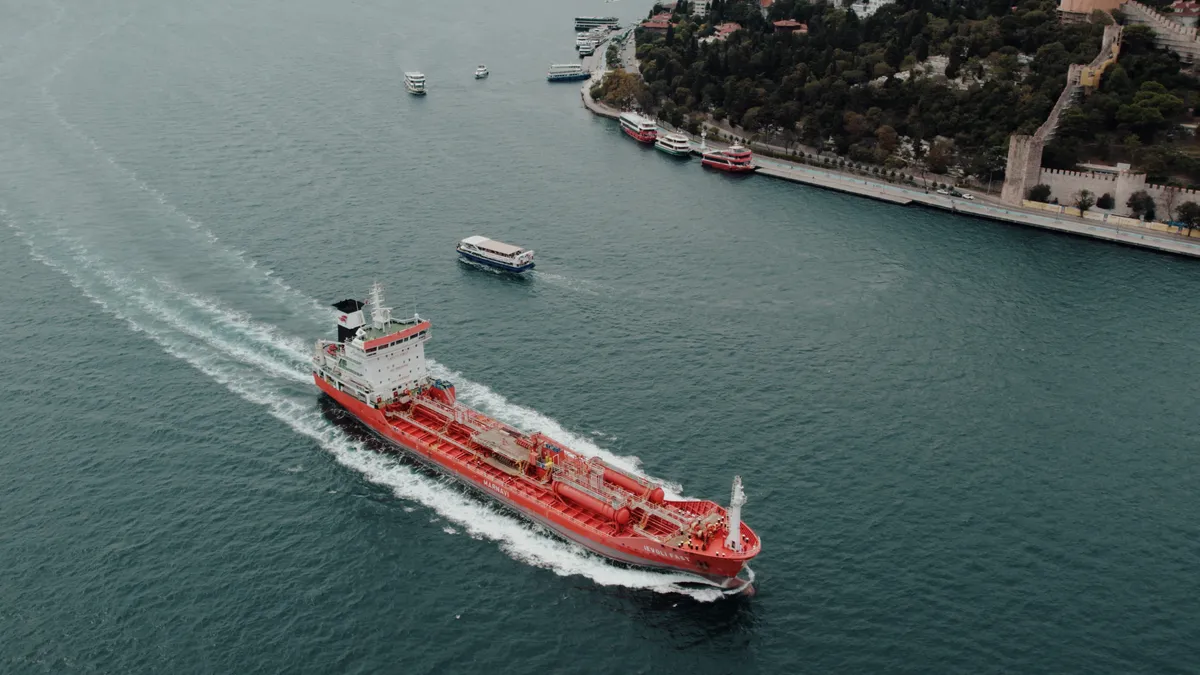
Donald Trump has announced a definitive economic offensive against Cuba by imposing punitive tariffs on any nation that sells oil to the island. This measure, described as a “financial strangulation,” seeks to sever Havana’s last energy lifeline, forcing its traditional suppliers — such as Venezuela, Russia, or Mexico — to choose between the Cuban market or privileged access to the American economy. The decision represents a drastic shift in Washington’s foreign policy, elevating the embargo to a dimension of global energy persecution with devastating consequences for the civilian population.
The announcement has triggered an immediate shockwave through freight markets and allied chancelleries, as they witness the United States wield its tariff power as a direct political pressure instrument. For the Cuban government, this measure represents the worst-case scenario amid the ongoing blackout crisis and fuel shortages, as it logistically raises the cost of any crude shipment and deters international shipping lines for fear of U.S. Treasury reprisals. The message from Trump is clear: any barrel arriving at Cuban port will incur a tariff that will render the operation economically unviable for the exporting country.
In the geopolitical chessboard, this measure seeks to accelerate a regime change by choking its basic resources, a strategy that has already drawn strong criticism from the European Union and other international bodies. However, the Trump administration defends that it is the only way to cut off the financing of the Cuban system, arguing that state control of fuel is the backbone of the government’s hold on power. The reality on the streets of the island points to an imminent collapse of public services, while the rest of the world watches as the tariff becomes the new 21st-century diplomatic wall.
The Tariff Trap: Oil as a Punitive Currency
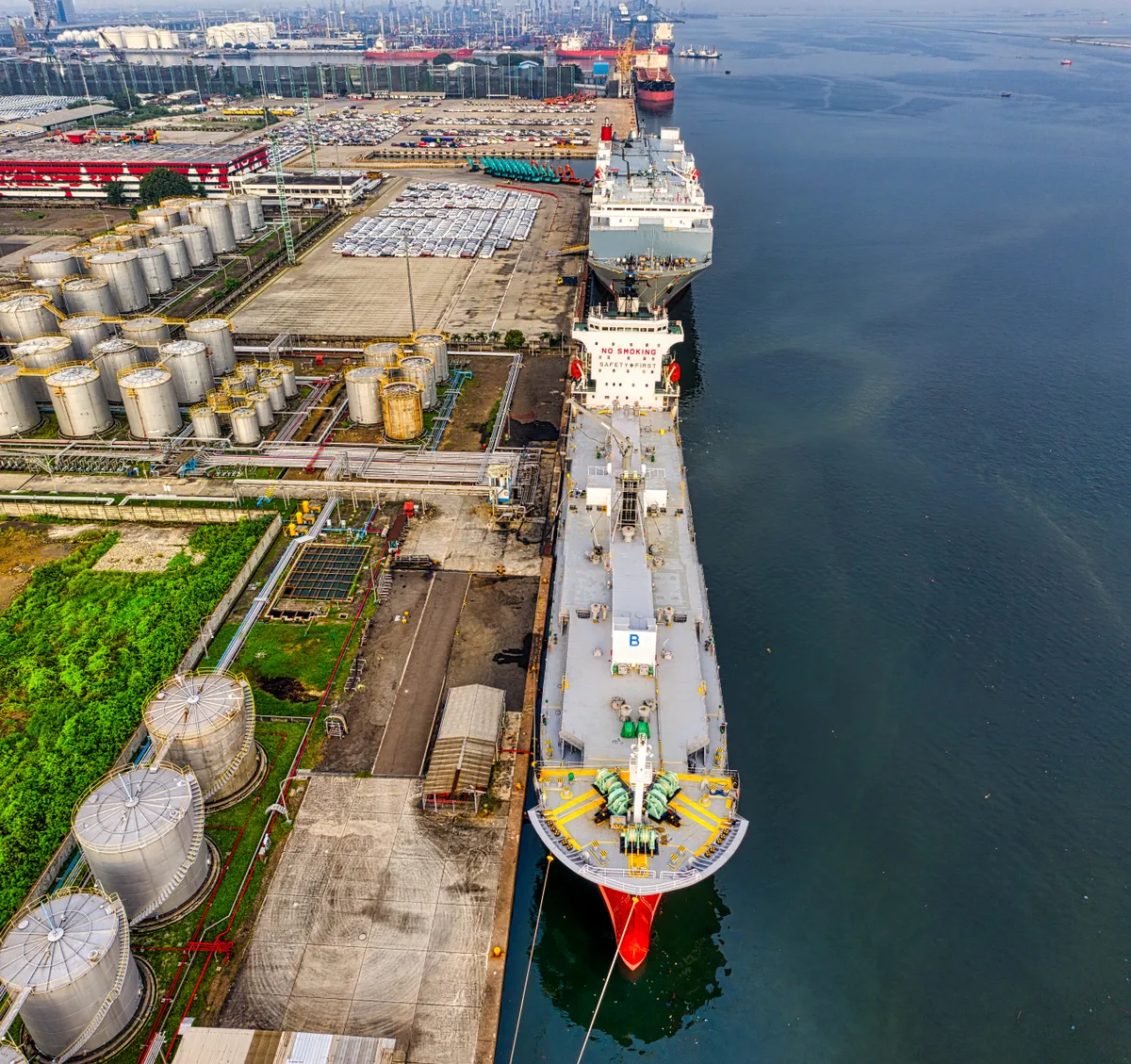
Washington’s tactic does not directly ban the sale of oil, but taxes it in such a way that destroys the profit margin of any international oil company. By imposing tariffs on the products of exporting countries, Trump creates a barrier to entry into the U.S. market that no one is willing to cross for a contract with Cuba. It is a financial engineering move that shifts the weight of the sanction onto third countries, turning the island into a “toxic partner” for any nation that depends on its exports to the United States.
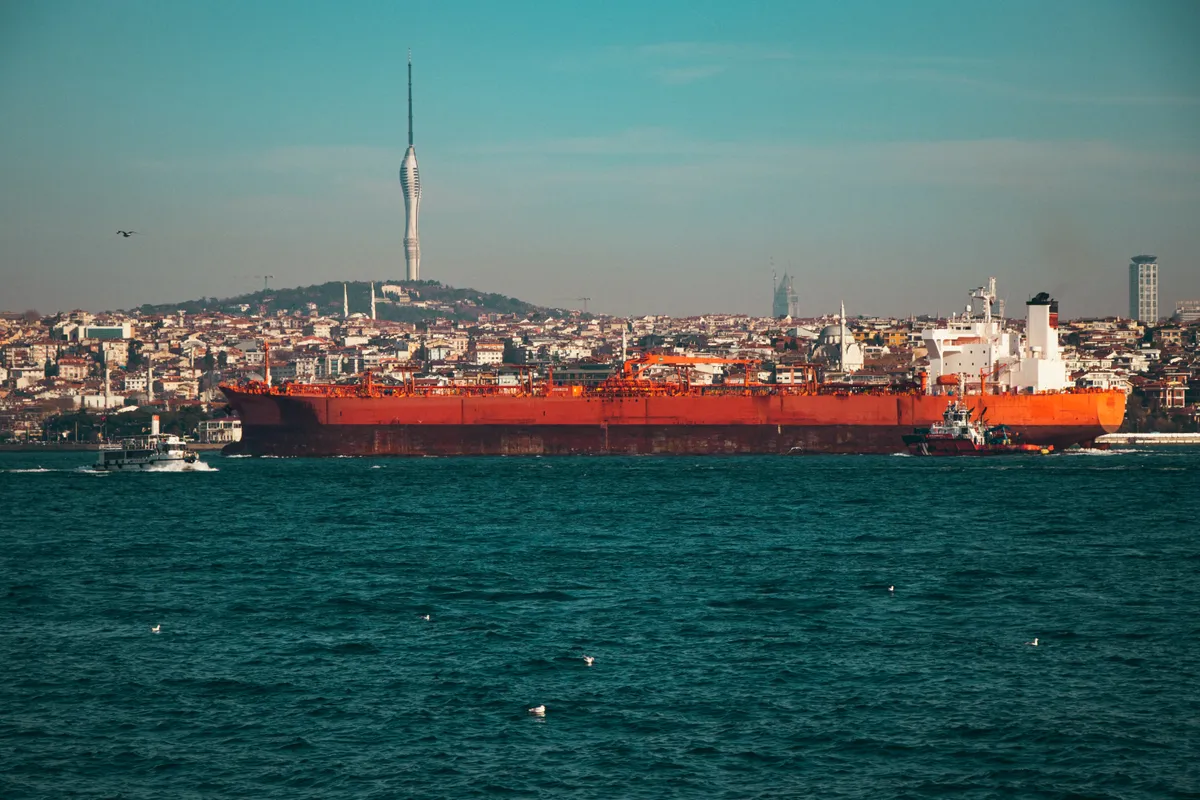
This “maximum pressure” policy has been welcomed by the hardline exile factions in Miami, but feared by energy analysts who foresee a rise in tension in the Caribbean. It is as fascinating as it is terrifying to see how a simple tariff decree can stop ships in the middle of the ocean, forcing them to reroute to avoid Washington’s commercial stigma. Cuba, which already faced an obsolete energy infrastructure, now confronts a logistical blackout that could leave its cities in permanent darkness.
Mexico and Venezuela at the Energy Crossroads
The island’s historical suppliers now face a commercial survival dilemma that will shape their relations with the White House in the coming years. Countries that have traditionally supported Cuba by sending crude at subsidized prices must now calculate the real cost of their solidarity in light of Trump’s tariffs. This measure tests the region’s energy sovereignty, showing that control over the United States’ trade routes remains the world’s most powerful instrument of persuasion, capable of bending decades-old ideological alliances.
The impact is not limited to crude oil alone, but affects all derivatives necessary for Cuban industry and agriculture. If neighboring countries yield to the pressure, food production and public transport on the island will grind to a halt, creating a humanitarian crisis of unpredictable proportions. It is an economic checkmate that uses free trade (or its restriction) as the board where the fate of millions is decided without firing a single shot, but with the same force as a military siege.