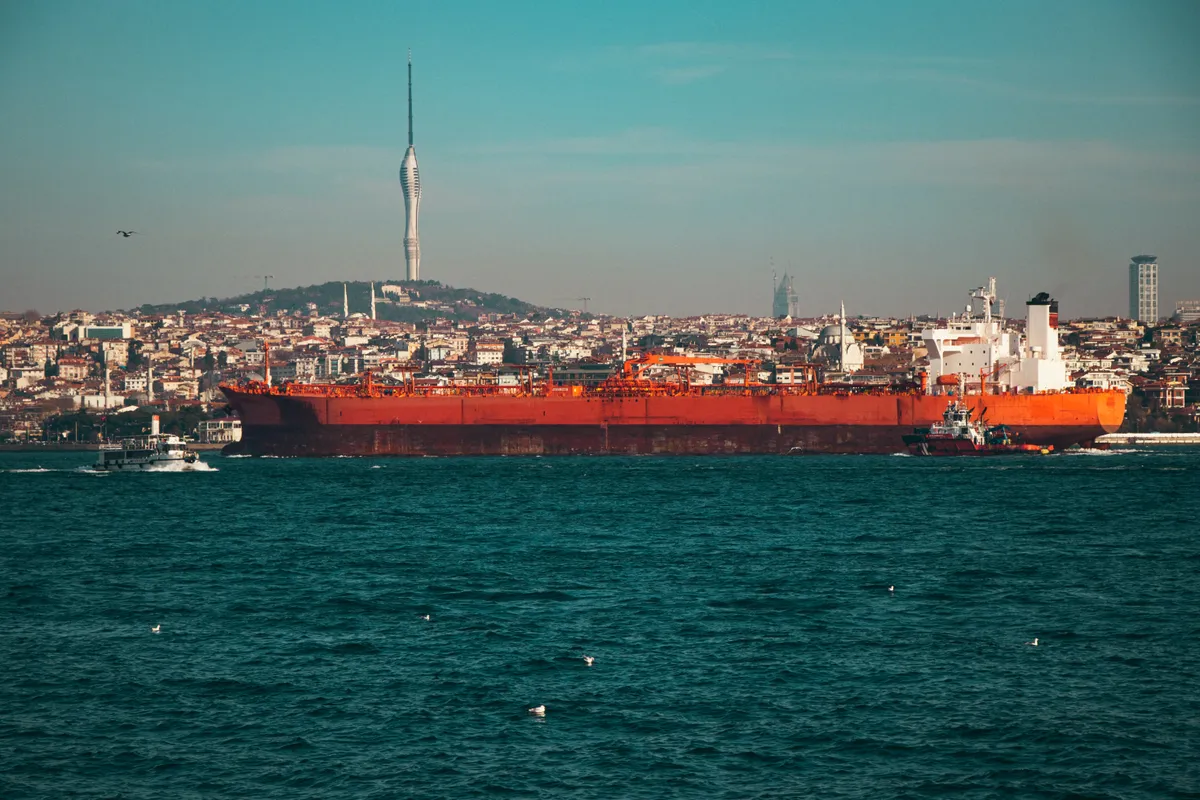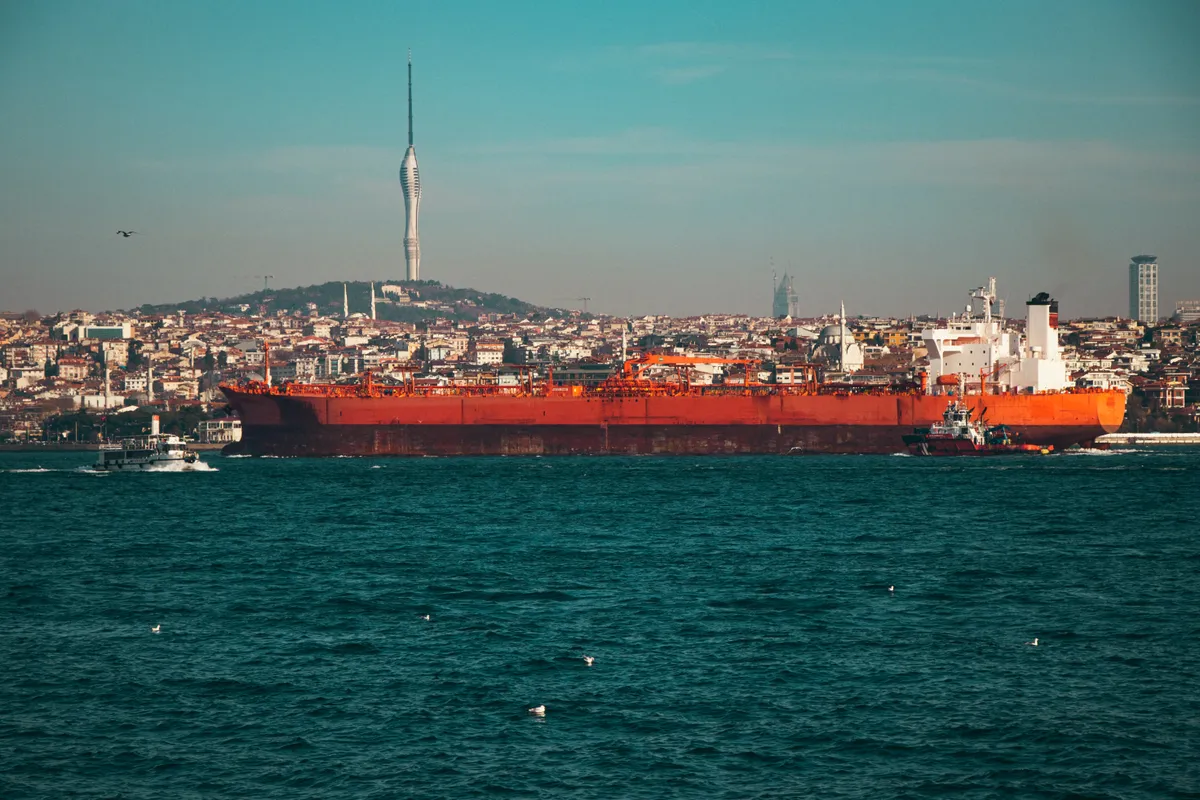
Strait of Hormuz oil traffic is increasing meaningfully, U.S. Energy Secretary Chris Wright said Tuesday, and that was enough to knock Brent crude down 3.5% to $90.94 a barrel by midmorning and push U.S. crude futures down roughly 4% to $87.68.
| Metric | Value |
|---|---|
| WTI crude (11:35 a.m. ET) | $87.68 / bbl (-4%) |
| Brent crude (11:35 a.m. ET) | $90.94 / bbl (-3.5%) |
| Brent peak (April 7, 2026) | $138 / bbl |
| Brent April average | $117 / bbl |
| EIA 2026 Brent forecast (revised) | $96 / bbl |
| Estimated Hormuz outage at peak (April) | 9.1 million bpd |
Wright made the remarks at the Atlantic Council Global Energy Forum in an interview with CNBC’s Brian Sullivan. He said oil exports through the strait are rising and “will continue to rise,” though he did not provide precise flow data. The comments confirm a shift from March, when Wright told CNBC the U.S. Navy was not yet ready to escort commercial tankers through Hormuz, with all available military assets still focused on degrading Iran’s offensive capabilities.
The backdrop matters. EIA’s Short-Term Energy Outlook shows Brent hit $138 a barrel on April 7 and averaged $117 for the month as the de facto closure of the strait tightened global supplies. Tuesday’s price, while still elevated by historical standards, represents a substantial pullback from those levels as signals of reopening accumulate.
What Rising Strait of Hormuz Oil Traffic Means for Prices
The price drop reflects a simple recalibration of risk. Some supply that the market priced out is filtering back in. Maritime analytics firm Kepler reported that four Iranian-flagged tankers passed through the Strait of Hormuz on June 5, a concrete data point supporting Wright’s broad-brush comments. The U.S. Navy has also been quietly coordinating with some vessels attempting to exit the Persian Gulf.
Still, the headline number on disruption is large. The EIA estimated Hormuz outages at 7.5 million barrels per day in March, rising to a peak of 9.1 million bpd in April before beginning to ease. The agency revised its 2026 Brent forecast up to $96 a barrel from $78.84, and its WTI forecast to $87.41 from $73.61, citing those disruptions directly. Tuesday’s WTI print is essentially sitting on that revised annual forecast, which says something about how much supply uncertainty remains priced in.
JPMorgan analysts added another layer. In a June 4 note, the bank wrote that some 2 million barrels per day may already be transiting on tankers with transponders switched off. “Despite the ongoing naval blockade and the steep decline in commercial traffic, surprising volumes of crude and petroleum products still appear to be transiting the Strait,” the analysts said. The bank has separately warned that if the strait is fully blocked, onshore and offshore storage across Middle Eastern producers could absorb only about 25 days of stranded production before forced shutdowns begin.
Ceasefire Holds for Now, Deal Timeline Unclear
The geopolitical picture is fragile. Iran launched missiles at Israel this week in retaliation for Israeli strikes on Lebanon. Israel responded. The fragile April ceasefire briefly looked finished. Trump pressed Israeli Prime Minister Benjamin Netanyahu to hold back further attacks, and for now both sides say they have ceased fire. The violent exchange briefly spiked prices Monday before the market reversed.
Trump said Monday a deal with Tehran to formally reopen Hormuz is “two or three days away.” He has made similar claims repeatedly without an agreement materializing. That skepticism is warranted, but the combination of his comments, Wright’s remarks, the Kepler tanker data, and the JPMorgan dark-fleet estimates suggests strait of Hormuz oil traffic is genuinely improving at the margins, even if a formal accord remains elusive.
Oil prices have still surged roughly 30% since the U.S. and Israel struck Iran on February 28. Tehran responded by attacking tankers and mining the strait, triggering what industry executives describe as the largest oil supply disruption in history. Industry analysts have noted that global stockpile buffers have kept prices from spiking further. Those buffers thin as summer demand peaks. If the strait of Hormuz oil traffic stalls again before a deal is signed, the inventory cushion that has capped prices could disappear faster than the market currently expects.
The next hard test: whether the ceasefire holds through the week, and whether Wright’s “rising meaningfully” translates into verifiable daily flow data. A single confirmed escalation puts $100 Brent back on the table immediately.