The Hormuz oil supply disruption deepened Wednesday as oil prices swung in volatile trading after the U.S. military completed strikes against Iranian military targets, raising the prospect of a prolonged conflict over one of the world’s most critical energy chokepoints.
| Metric | Value |
|---|---|
| WTI Crude (July) | $88.03 / bbl (-0.19%) |
| Brent Crude (August) | $91.27 / bbl (-0.20%) |
| Gulf production offline | 11.8 million bpd |
| Cumulative output lost | ~1 billion barrels |
| Worst-case regional floor | ~6 million bpd (down 70%) |
U.S. crude futures for July delivery fell 0.19% to $88.03 a barrel after briefly jumping more than 1%, while Brent for August delivery slid 0.20% to $91.27. The whipsaw reflects a market that cannot agree on whether the strikes represent a contained response or the opening move in a wider escalation.
U.S. Central Command said the operation, named Operation Epic Fury, targeted hardened Iranian missile sites along Iran’s coastline near the Strait of Hormuz. The strikes employed multiple 5,000-pound deep penetrator munitions, according to the Jerusalem Post citing CENTCOM, designed to reach fortified underground facilities.
Three Destroyers Targeted Before the Strikes
The military action came after Iranian forces launched missiles, drones, and small boats against three U.S. Navy destroyers transiting the strait, according to CENTCOM. The ships targeted were USS Truxtun (DDG 103), USS Rafael Peralta (DDG 115), and USS Mason (DDG 87). None were reported destroyed.
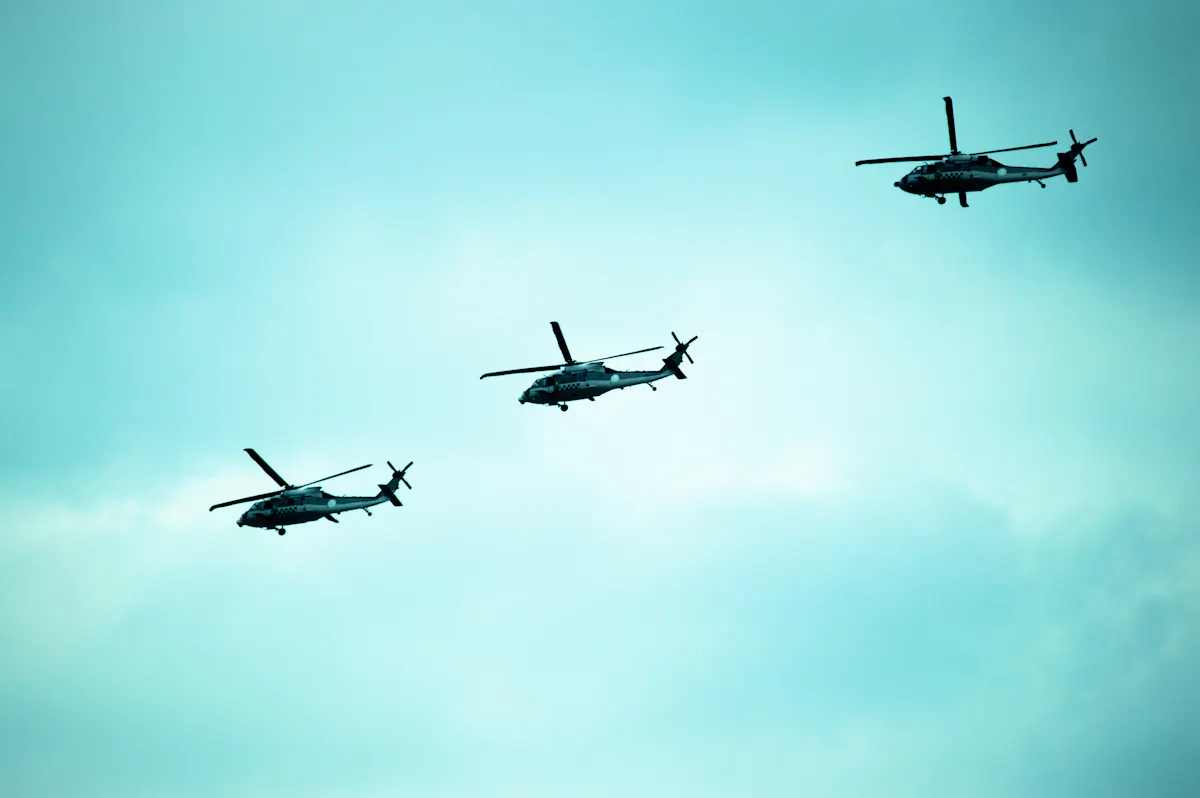
The trigger for the broader confrontation was the downing of an AH-64 Apache helicopter. The two pilots were rescued within approximately two hours by an American sea drone in what BBC News described as a first-of-its-kind drone rescue operation at sea. The helicopter went down near the coast of Oman while conducting patrols of regional waters.
President Trump confirmed the pilots were safe in a Truth Social post, then said retaliation was unavoidable. “The United States must, of necessity, respond to this attack,” he wrote. CENTCOM called the strikes a defensive and measured response to Iranian aggression.
Scale of the Hormuz Oil Supply Disruption
Whatever the military calculus, the Hormuz oil supply disruption is already historic by any energy-market measure. Rystad Energy puts the production offline at 11.8 million barrels a day across six Gulf producers, calling it the most severe supply disruption in modern history. Cumulative losses have reached roughly 1 billion barrels. Each additional month of active conflict, Rystad estimates, could erase another 350 million barrels of output.
The numbers get grimmer in a protracted-war scenario. Rystad’s worst-case analysis puts Middle East crude output falling to roughly 6 million barrels per day, a 70% reduction from the pre-conflict regional baseline of around 21 million bpd, excluding Iran. The Hormuz oil supply disruption at that scale would test the limits of strategic petroleum reserves and alternative supply routes simultaneously.
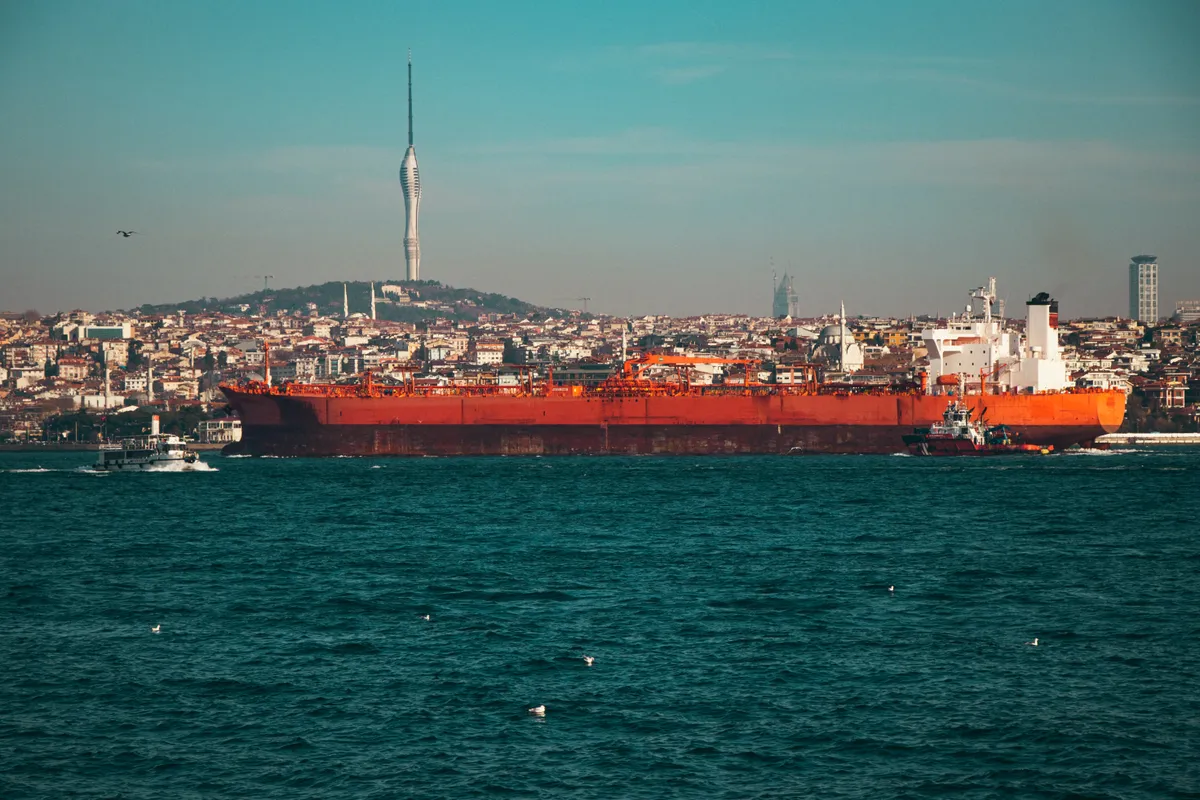
For context, the strait handles roughly 20% of global oil trade in normal conditions, according to the U.S. Energy Information Administration. There is no fast substitute for that volume.
Oil’s muted price reaction on Wednesday is partly a reflection of conflicting signals. The strikes were described as limited and surgical, and prices had already run hard on previous escalation headlines. Bulls will argue the physical disruption has barely been priced in relative to the supply math. Bears will note that headline-driven spikes keep fading as actual shipping data, however stressed, has not yet confirmed a total closure of the waterway.
Still, the Hormuz oil supply disruption does not need a full closure to bite. Insurers have already repriced war-risk premiums on vessels transiting the strait, and tanker operators have been rerouting. Every detour around the Cape of Good Hope adds roughly two weeks of voyage time, tightening effective supply further regardless of what any well counts.
The next hard data point is whether Iranian forces attempt to respond to Operation Epic Fury with renewed attacks on shipping or on Gulf production infrastructure. If that happens, the 6 million bpd floor Rystad sketched as a worst case starts to look like a planning assumption instead.