In a high-seas showdown worthy of a Hollywood script (minus the dramatic soundtrack), French authorities have intercepted over 4 tons of cocaine off the coast of French Polynesia, dealing a stunning blow to international drug traffickers who would prefer to remain under the radar—or at least out of the headlines.
The Dangerous Maritime Highways
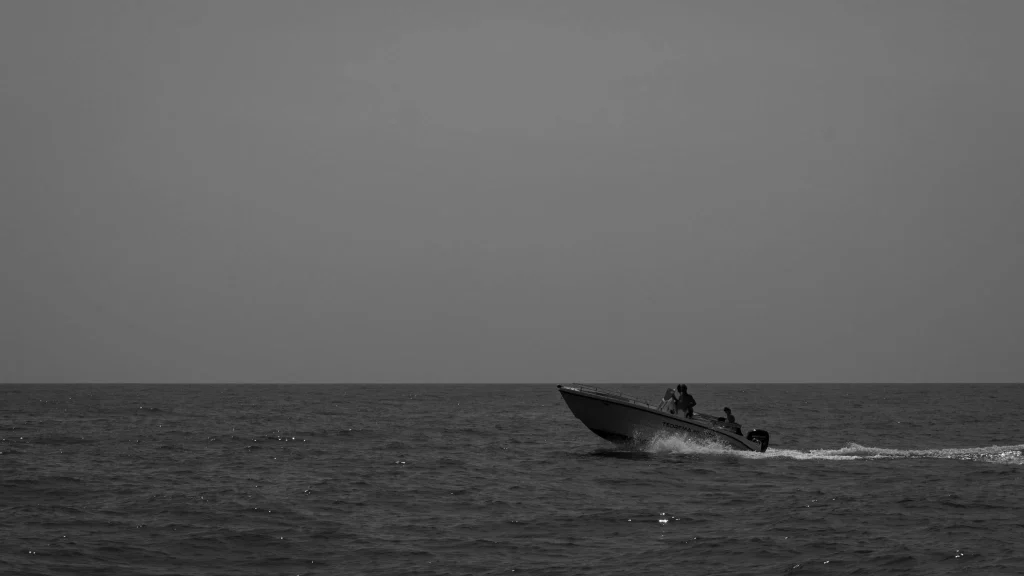
French Polynesia may be famous for its turquoise waters and idyllic landscapes, but it also happens to sit smack in the middle of a notorious maritime corridor. This corridor is carefully watched by authorities because it’s one of the main routes that traffickers from Latin America use to ferry narcotics towards eager consumer markets as far-flung as Australia. In this oceanic hide and seek, the stakes are as high as the Pacific is deep.
Local police and customs agencies don’t just stand by; collaboration is essential. Across the region, agencies team up to stem the steady flow of illegal drugs—because, let’s face it, nobody wants their tranquil island paradise turned into an international drug trafficking hub. French Polynesia, with its own unique challenges, is right in the crosshairs, even if the amount of cocaine that just passed through is far more than the local market, or its 280,000 residents, could ever absorb (or want).
The Seizure: 4,249 Tons That Didn’t Get Away
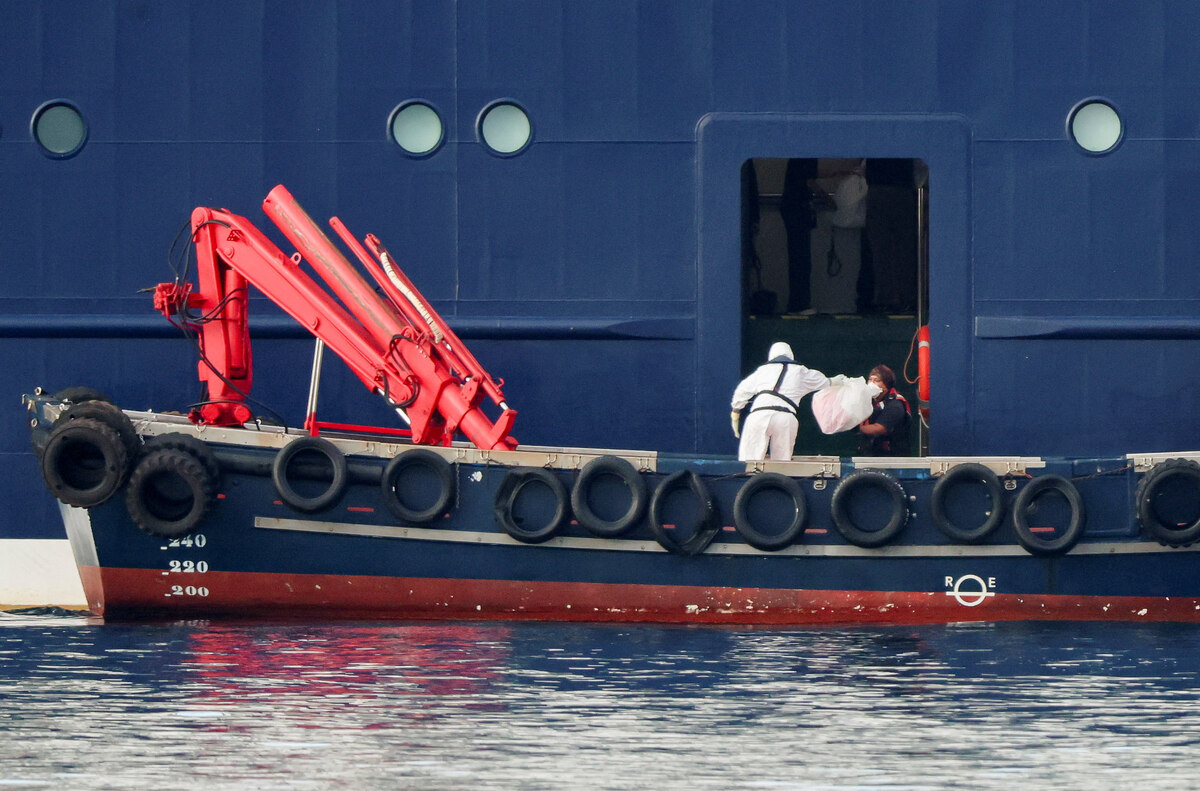
The details are almost cinematic. The French Navy, acting with precision and resolve, boarded a vessel carrying a staggering 4,249 tons of cocaine—neatly packed into 174 bundles, according to the local High Commission’s official communique, confirming what the local TNTV channel had reported. The ship, originating from Central America, was on a declared course to South Africa. The narrative could have easily ended with the drugs simply being impounded, but French authorities took it one step further: the entire cocaine haul was destroyed at sea, beyond the borders of the French Polynesian exclusive economic zone and its protected marine space, as clarified by the military to AFP.
- 174 bundles of cocaine seized
- Seizure conducted by the French Navy
- Drugs destroyed at sea, beyond protected areas
- Origin: Central America; Declared destination: South Africa
No Prosecution, Only Prevention
Surprisingly (or perhaps pragmatically), neither the crew nor the ship has been prosecuted under French law. The High Commission explained the logic: in agreement with the Papeete prosecutor and international legal norms, the ship and its crew were allowed to continue their voyage. Why? The focus for French judicial resources is on cases that directly impact the national territory. With the cocaine clearly not intended for the tiny French Polynesian market, which lacks the demand for such quantities, authorities prioritized prevention over prosecution. Justice has a budget, after all, and priorities are a must.
This is not the first time such an operation has gone down in the region. In mid-January, 4.87 tons of cocaine were similarly seized. That vessel now finds itself in repair at the Cook Islands while, under the watchful eye of local authorities, it is monitored around the clock—just in case someone gets creative. What happens to these intercepted ships? They are tracked by satellite, and if necessary, judicial proceedings may be undertaken by other Pacific countries, ensuring traffickers don’t find a loophole simply by changing jurisdictions.
French Polynesia: Navigating Its Own Challenges
If you’re wondering why French Polynesia doesn’t become a more frequent target for such shipments, the reason is both simple and a bit sobering. Despite a significant local consumption of methamphetamines, the overall population is just 280,000—a fraction unable to absorb the massive volumes sought by international drug traffickers. It’s a small mercy, considering the global scale of narcotics trafficking.
That said, the region’s location on these shipping lanes makes it a perpetual player in this tense cat-and-mouse game. Whether it’s the French Navy at the helm or local law enforcement watching the horizon, vigilance remains the order of the day. With constant surveillance, international cooperation, and swift responses at sea, the hope is that more such stories will end with drug cargoes feeding the fishes, not the streets.
Final thought: While French Polynesia’s breathtaking beauty may draw tourists from around the globe, it’s clear the region’s law enforcement are playing their own critical—if less Instagrammable—role in keeping these islands, and the wider Pacific, a little bit safer.