When we talk about superheroes for heart health, we often imagine blueberries swooping in or leafy spinach flexing its muscles. But lurking in supermarket aisles and nestled quietly in Asian grocery stores lies a real unsung champion: Chinese cabbage, also known as pak choi. According to experts, this underrated vegetable could change the game for your heart (and no, you don’t need to wear spandex to reap the benefits).
The Quiet Power of Vegetables—Not All Are Created Equal
It’s no secret that eating fruits and vegetables helps maintain good cardiovascular health. Your grandma knew it, your doctor keeps saying it, and now, Chinese researchers have made it official: some veggies are just better for your ticker than others. Published in the scientific journal Food & Function, their findings shine a spotlight on a particular family of vegetables that’s significantly more protective for the heart and arteries than the rest of the crop.
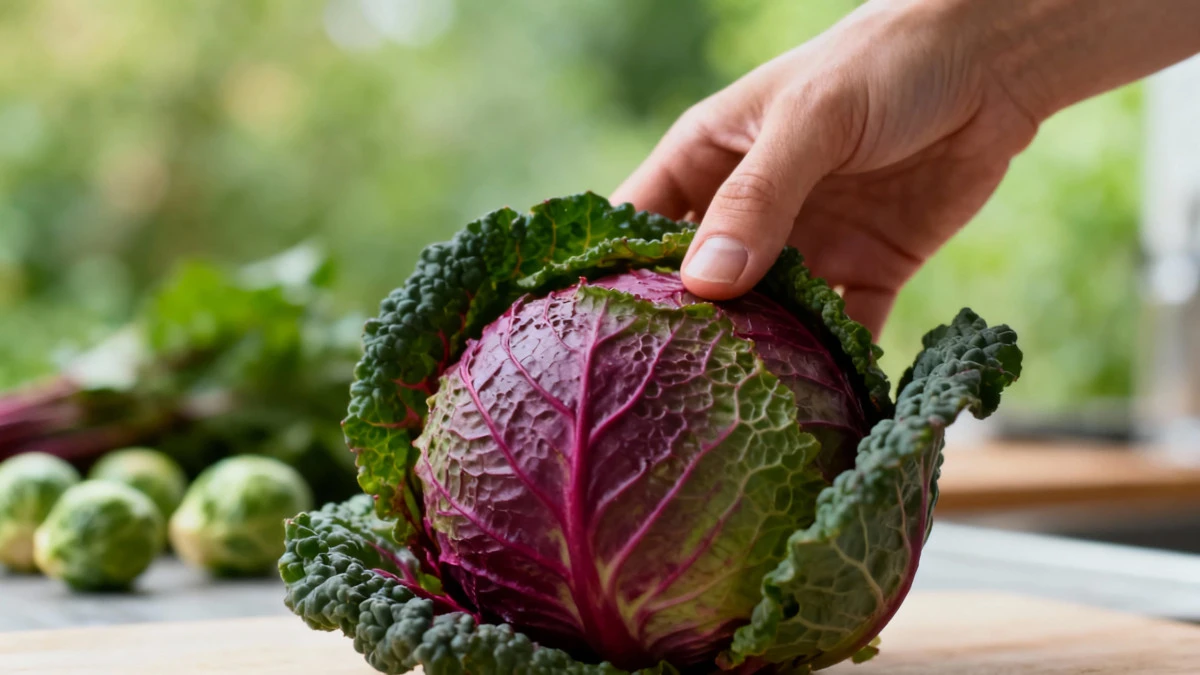
Among these green (and criminally underrated) wonders sits Chinese cabbage—pak choi. In France, it doesn’t have celebrity status on dinner plates, but experts suggest it’s especially effective at helping reduce cholesterol, a major risk factor for heart disease. If you’re wondering what this vegetable looks like, imagine a romaine lettuce cosplaying as Swiss chard: long, curly green leaves and crunchy stalks, with a taste that’s mildly spicy and always fresh.
Spotting Pak Choi: Hiding in Plain Sight
Proudly starring in countless Asian dishes, Chinese cabbage is easy to find if you know where to look. Big supermarkets, fresh produce stalls, farmer’s markets—even your neighborhood Asian grocers will have it. You’ve probably walked by it without a second glance, but this humble vegetable is a staple in Asian cuisine, enjoyed for both its crunchy texture and flavorful punch. Both the leafy greens and the tender stalks are edible—versatility at its finest.
The Hamster Test: Science Gives Pak Choi Its Due
Now, before you ask: no, there’s no club of hamsters who eat better than you. But in the interest of science, 56 hamsters were recruited and randomly divided into different diet groups for 56 days:
- Group A: Normal diet
- Group B: High-fat diet
- Group C: High-fat diet plus 5% Chinese cabbage
- Group D: High-fat diet plus 7% Chinese cabbage
Blood and liver samples were taken on days 0, 28, and 56 to analyze their fat profiles and various enzyme levels. The results offer plenty of food for thought.
- Hamsters in Group B (high-fat, no Chinese cabbage) ended up with much higher total cholesterol and triglyceride levels compared to the baseline Group A.
- Group D—those eating the most Chinese cabbage—showed significantly reduced total cholesterol, lower triglycerides, and “bad” cholesterol (LDL) compared to Group B. Even better? Their “good” cholesterol (HDL) was higher.
- Group C, snacking on a bit of Chinese cabbage, didn’t see significant effects on their cholesterol profile—proving that sometimes, more really is more (at least for these hamsters).
Hamsters supplemented with 7% Chinese cabbage outperformed all other high-fat groups in keeping cholesterol at bay. This points to the potential power of sufficiently high Chinese cabbage intake in cutting down the body’s cholesterol build-up and safeguarding overall health. Researchers credit its high fiber and antioxidant (polyphenol) content, which fights the oxidation of bad cholesterol.
But, as any responsible scientist would remind you while adjusting their glasses: these results need to be confirmed on a larger scale and adapted to humans. Until then, we’ll have to let the hamsters bask in their science-backed glory.
Should You Welcome Chinese Cabbage to Your Plate?
Even though further studies are needed in humans, the results are promising. Chinese cabbage is available and affordable, found everywhere from large supermarkets to local produce stalls and Asian markets. Its slightly peppery taste and crunchy texture make it an easy addition to various dishes—not to mention its impressive nutritional profile.
If you’re looking to shake up your veggie game and give your heart a little extra love, why not give pak choi a chance? After all, the best heroes are often the ones we never noticed until we truly needed them. And your arteries just might thank you.